
TL;DR
Harsil Valley sits at 2,745 metres in Uttarkashi district, along the Bhagirathi River, about 72 km before Gangotri. It is roughly 520 km by road via Delhi and 220 km via Dehradun. The best time to visit is April to June for blooming apple orchards and clear skies, or September to November for quieter trails and golden views. Top things to do include the Dayara Bugyal trek, a day trip to Gangotri, a visit to Gartang Gali (permit needed), and a soak at Gangnani Hot Springs. Roads stay open April to November.
Harsil Valley at a Glance
| Detail | Information |
|---|---|
| Harsil Height | 2,745 metres (9,005 feet) above sea level |
| District | Uttarkashi, Uttarakhand |
| River | Bhagirathi |
| Distance from Dehradun | Approximately 220 km by road |
| Distance from Delhi | Approximately 520 km by road |
| Nearest Town | Uttarkashi (75 km) |
| Best Season | April to June, September to November |
| Road Open | April to November (subject to weather) |
Few places in the Garhwal Himalayas offer the charm and natural beauty of Harsil Valley.
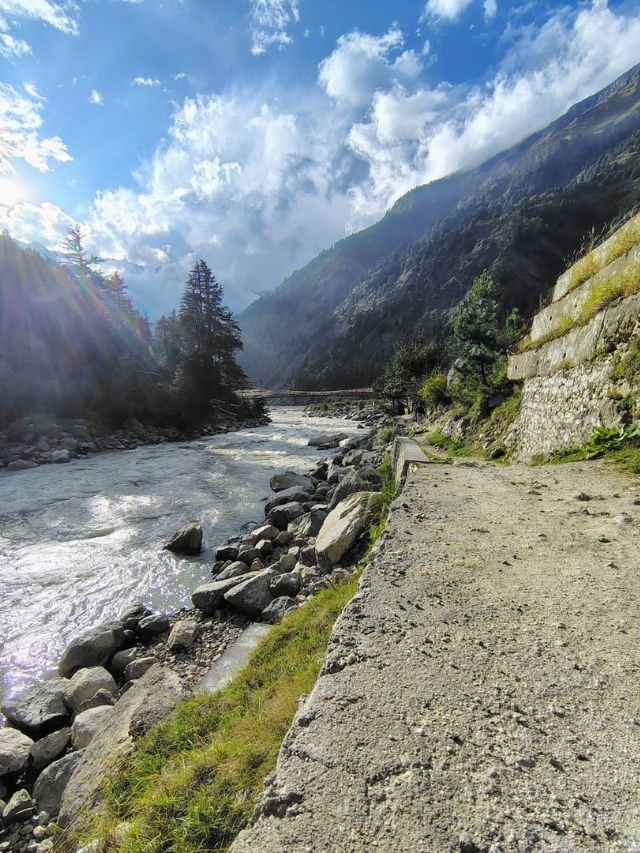
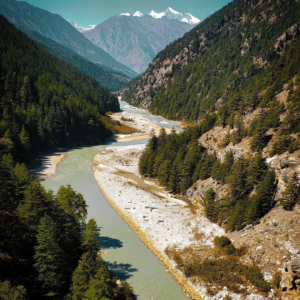
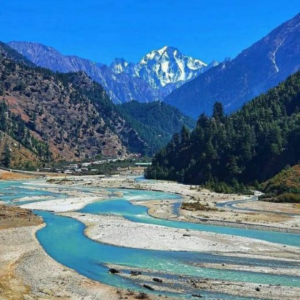
Located at an altitude of 2,745 metres along the Bhagirathi River, about 72 kilometres before Gangotri, the valley feels surprisingly wide and open amid the high mountains. The river flows clear and fast, carrying fresh glacier water, and during the evening, the sunlight paints the mountain peaks in beautiful golden shades.
Harsil Valley lies in Uttarkashi district of Uttarakhand, around 220 kilometres away from Dehradun and nearly 520 kilometres away from Delhi. The valley is situated on the road leading to Gangotri, making it easy to access during the Char Dham Yatra season. Visitor numbers are highest in May and June, yet Harsil remains far more peaceful than the busy pilgrimage destinations further along the route, which adds greatly to its appeal.
This guide includes everything needed to plan a successful trip. You will find details on how to reach Harsil Valley via Delhi and Dehradun, updated transport fares, a month-by-month temperature chart, the best time to visit, trekking opportunities with practical information, popular attractions, accommodation options, and useful travel tips to help make your visit smooth and enjoyable.
Harsil Valley Temperature: Month by Month
Harsil Valley experiences noticeable temperature changes throughout the year. Winters are quite cold, and snowfall is common during December and the following winter months. Below is a month-by-month overview of the temperature in Harsil Valley.
| Month | Min Temp | Max Temp | Conditions |
|---|---|---|---|
| January | -5°C | 8°C | Heavy snowfall, road closures possible |
| February | -3°C | 10°C | Snow continues, conditions improve toward the end of the month |
| March | 2°C | 14°C | Snow starts melting, roads gradually reopen |
| April | 5°C | 18°C | Pleasant weather, apple blossoms, excellent for trekking |
| May | 10°C | 25°C | Peak tourist season, warm days, clear skies |
| June | 12°C | 22°C | Pre-monsoon season, good visibility and comfortable weather |
| July | 14°C | 20°C | Monsoon begins, increased risk of landslides |
| August | 13°C | 19°C | Heavy rainfall, high landslide risk |
| September | 10°C | 18°C | Monsoon recedes, valley turns lush green |
| October | 5°C | 16°C | Clear skies, golden foliage, excellent sightseeing conditions |
| November | 0°C | 10°C | Cool and peaceful weather, early snowfall visible on higher peaks |
| December | -4°C | 7°C | Cold conditions, snowfall likely, road access may be uncertain |
Best Time to Visit Harsil Valley
1. April to June (Peak Season)
April to June is the most popular time to visit Harsil Valley. In April, apple orchards bloom with beautiful flowers, adding color to the landscape. May is the warmest month, with temperatures usually ranging between 20°C and 25°C. The weather remains pleasant, and mountain views are often clear.
The Char Dham Yatra also takes place during this period, making travel easier with regular transport services and good accommodation options. For families and first-time visitors, May is often the best month to plan a trip.
2. September to November (Best Overall Season)
Many travelers consider October the best month to visit Harsil Valley. The monsoon season has ended, the skies are clear, and the surroundings remain lush and green. Apple harvesting also takes place during this time.
Temperatures generally stay between 5°C and 16°C, creating comfortable conditions for sightseeing and outdoor activities. Visitor numbers are lower than in summer, allowing for a quieter experience. October is especially popular among photographers and trekking enthusiasts because of the excellent mountain views.
3. July to August (Monsoon Season)
July and August bring heavy rainfall to the region. Landslides are common in the Bhagirathi Valley, and road conditions can change quickly during the monsoon.
Travelers planning a visit during these months should check weather forecasts and road updates before leaving. While the valley becomes lush and green, monsoon travel requires extra caution due to safety concerns.
How to Reach Harsil Valley from Delhi
Harsil Valley from Delhi is approximately 520 km by road via NH58 (Haridwar-Rishikesh-Uttarkashi-Harsil). It is a full day’s drive of 12 to 14 hours without an overnight stop.
Distance Table: All Origins
| Origin | Distance | Travel Time | Route |
|---|---|---|---|
| Delhi | 520 km | 12 to 14 hours | NH58 via Haridwar, Rishikesh, Uttarkashi |
| Dehradun | 220 km | 7 to 8 hours | Via Mussoorie or Chamba, then Uttarkashi |
| Rishikesh | 270 km | 8 to 9 hours | NH58 via Uttarkashi |
| Haridwar | 310 km | 9 to 10 hours | NH58 via Rishikesh, Uttarkashi |
| Uttarkashi | 75 km | 2 to 2.5 hours | NH108 along the Bhagirathi |
Delhi to Harsil Valley by Road
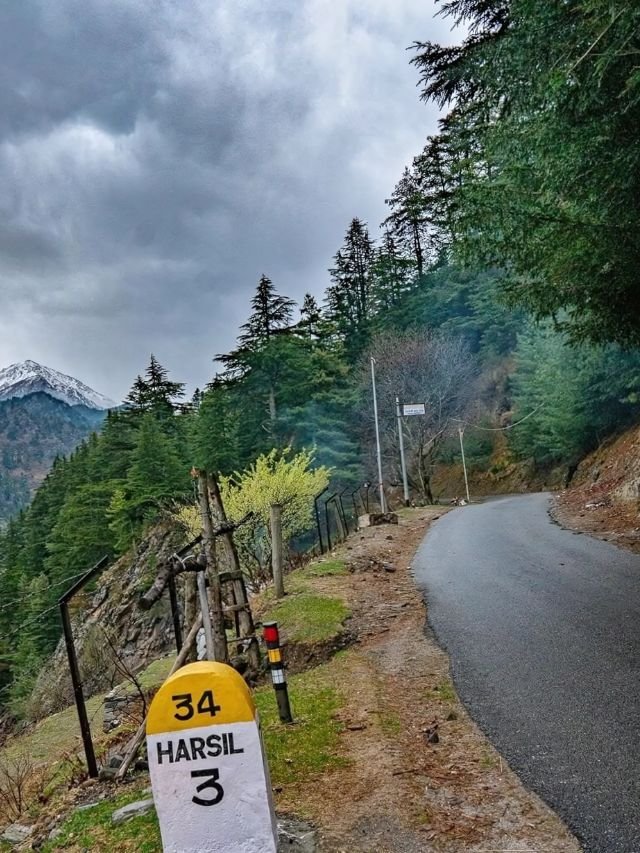
The road trip to Harsil Valley is one of the most convenient travel options. The route goes through Delhi, Haridwar, Rishikesh, Chamba, Uttarkashi, and finally reaches Harsil. The section between Uttarkashi and Harsil follows the beautiful Bhagirathi River valley and offers stunning mountain views. Some parts of this road are narrow and have sharp bends, so careful driving is important.
Many travelers prefer to stay overnight in Uttarkashi, located about 75 km before Harsil. This makes the journey more comfortable by dividing the long drive into two days. It also allows visitors to reach Harsil early in the morning and enjoy the valley at a relaxed pace. Uttarkashi offers a wide range of hotels, guesthouses, and budget stays.
Those planning to complete the journey in a single day should leave Delhi by 4:00 AM or earlier. An early start helps avoid city traffic and allows enough time to reach Harsil before sunset.
Delhi to Harsil Valley by Bus and Train
There is no direct bus service between Delhi and Harsil Valley. The most practical public transport route is as follows:
Step 1: Travel to Haridwar or Rishikesh by overnight train or bus. A train journey between Delhi and Haridwar takes about 4.5 hours, with several trains available daily from New Delhi and Old Delhi Railway Station. Rishikesh takes a little longer to reach.
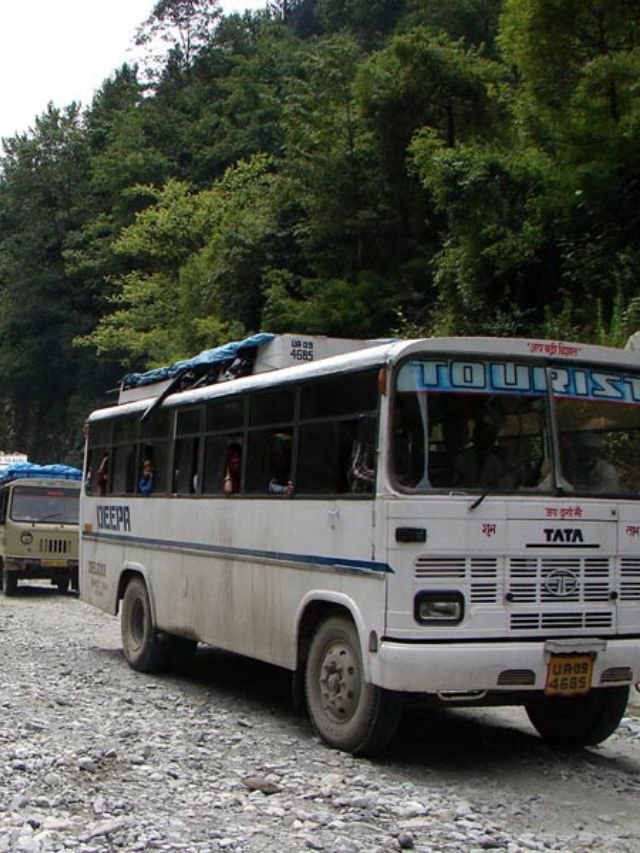
Step 2: After reaching Haridwar or Rishikesh, board a bus heading toward Uttarkashi or Gangotri. During the Char Dham Yatra season, usually between April and June, buses leave the ISBT in Rishikesh and the main bus stand in Haridwar at around 8:00 AM. The fare is generally between ₹800 and ₹900 per person.
Inform the conductor or driver that you want to get off at Harsil, which is located on the Gangotri route before Gangotri town.
Step 3: Bus services become less frequent after the Char Dham season. In such cases, shared taxis operating between Uttarkashi and Harsil are the most dependable option. The fare usually ranges between ₹150 and ₹200 per person.
Harsil Valley from Dehradun
Harsil Valley from Dehradun is approximately 220 km and takes 7 to 8 hours by road. Two main routes are available:
Route 1 (via Mussoorie and Chinyalisaur):
Dehradun – Mussoorie – Suhakholi – Chinyalisaur – Uttarkashi – Harsil. This is a single-lane scenic road through dense forest. The drive generally takes around 7 to 8 hours.
Route 2 (via Chamba):
Dehradun – Mussoorie – Narendra Nagar – Chamba – Uttarkashi – Harsil. Slightly different entry into Uttarkashi but similar distance and time.
Train and Road Journey
Dehradun Railway Station (DDN) has regular train connections with Delhi and many other major cities. Shared taxis are available between Dehradun and Uttarkashi, with fares usually ranging between ₹400 and ₹500 per person. Shared taxis operating between Uttarkashi and Harsil generally charge around ₹150 to ₹200 per person.
Air Travel
Jolly Grant Airport in Dehradun is the nearest airport, approximately 220 km from Harsil. The distance is approximately 220 km. A private taxi to Harsil usually costs between ₹5,500 and ₹6,500 and takes about 7 to 8 hours to complete the journey.
Harsil Valley Trek: Complete Trail Guide
Harsil Valley trek options suit every type of traveler, ranging from easy nature walks to challenging high-altitude adventures. Located on the Gangotri route, Harsil serves as an excellent trekking base with access to beautiful meadows, mountain passes, and remote Himalayan landscapes.
1. Dayara Bugyal Trek
Dayara Bugyal is one of the most popular trekking destinations near Harsil. The meadow stands at an altitude of 3,408 metres, while Harsil Valley is located at 2,745 metres, creating an elevation gain of about 660 metres.
- Distance: 13 km round trip starting at Barsu Village (around 7 km away from Harsil)
- Duration: 2 days with one night camping at the meadow, or a long day hike
- Difficulty Level: Easy to Moderate
- Best Time to Visit: May to June and September to October
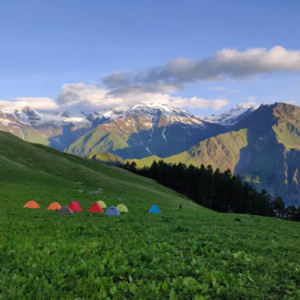
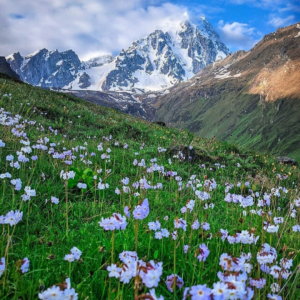
- Highlights: Wide green meadows, seasonal wildflowers, and stunning views of Bandarpoonch, Srikanth, and Black Peak. During winter, the meadow becomes a popular skiing destination.
- Permit Information: No permit is required for Dayara Bugyal
2. Lamkhaga Pass Trek
Lamkhaga Pass is one of the toughest and most rewarding trekking routes in the region. The trail connects Harsil Valley with Baspa Valley in Kinnaur district of Himachal Pradesh.
- Distance: Around 65 km one way
- Duration: 8 to 10 days
- Difficulty Level: Very Challenging
- Highest Altitude: 5,282 metres
- Best Time to Visit: July to September
- Highlights: Remote mountain scenery, glaciers, river crossings, and a high-altitude pass. This trek is recommended only for experienced trekkers carrying proper equipment and accompanied by a licensed guide.
- Permit Information: Inner Line Permit is required and can be obtained at the Uttarkashi District Magistrate Office.
3. Dhumdhar Kandi Pass Trek
This trek is known for its rugged terrain and demanding mountain conditions. It is suitable for trekkers who already have experience with high-altitude routes.
- Distance: Around 50 km one way
- Duration: 6 to 8 days
- Difficulty Level: Challenging
- Highest Altitude: 4,950 metres
- Best Time to Visit: June to September
- Highlights: Spectacular mountain landscapes and a high mountain pass connecting Uttarkashi and Kinnaur districts. Proper acclimatization, previous trekking experience, and an experienced guide are essential.
- Permit Information: Inner Line Permit is required.
4. Kyarkoti Trek
Kyarkoti Trek is a lesser-known route that offers peaceful trails, scenic meadows, and impressive Himalayan views without large crowds.
- Distance: Around 45 km round trip
- Duration: 7 days and 6 nights
- Difficulty Level: Moderate
- Best Time to Visit: May to June and September to October
- Highlights: Dense forests, alpine meadows, and excellent views of the Gangotri mountain range.
5. Gangotri Temple Day Excursion
Travelers looking for a shorter adventure can visit Gangotri, located about 25 km away by road. A short walk near the temple provides beautiful views of the surrounding mountains and the Bhagirathi River valley.
For those seeking a longer trek, the trail leading toward Gaumukh starts near Gangotri Temple. The trek covers about 18 km one way and requires a permit issued by the Forest Department office at Gangotri. This route is significantly more demanding and should be planned carefully.
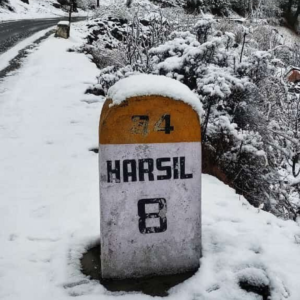
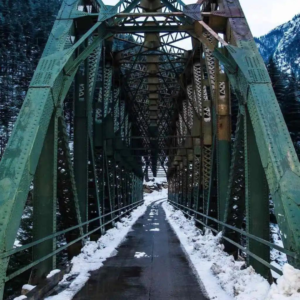
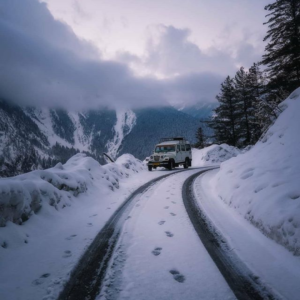
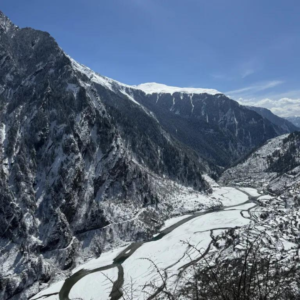
Harsil Valley Images
Gartang Gali: What You Need to Know Before Going
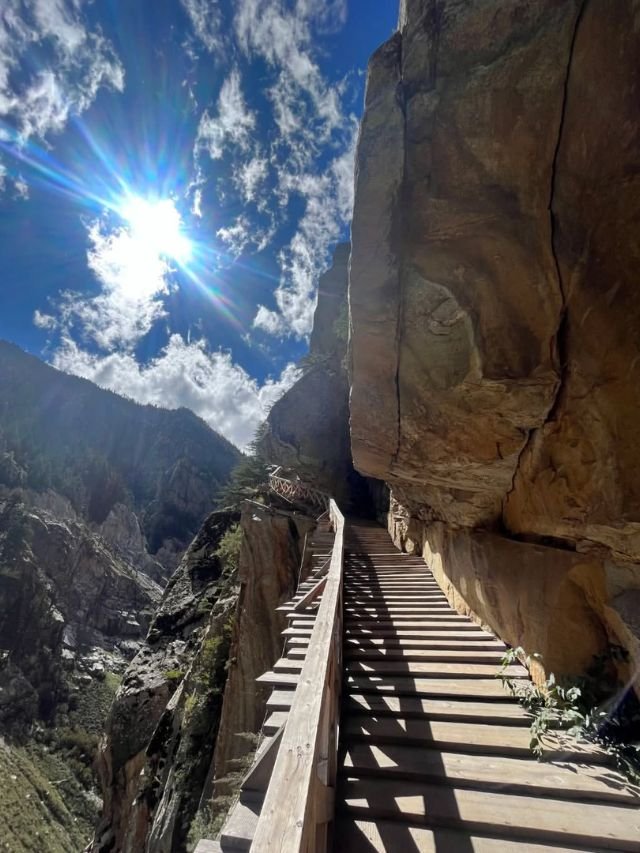
Gartang Gali is a 136-metre-long wooden staircase built nearly 150 years ago along a steep cliff above the Nelong Valley. It once served as an important trade route connecting India and Tibet. After remaining closed following the 1962 India-China war, the route was reopened for visitors. Today, it offers one of the most exciting and scenic walking experiences in Uttarakhand.
Important Permit Information
Before planning a visit to Gartang Gali, keep these permit requirements in mind:
- Entry to Gartang Gali requires a permit.
- Permits are issued by the Divisional Forest Officer (DFO) office in Bhaironghati.
- The current permit fee is around ₹150 for Indian citizens.
- Visitor numbers are limited each day, so advance planning is recommended.
- Since the area is located close to the Indo-China border, foreign nationals may need additional documents and approvals.
Gartang Gali is located about 25 km away from Harsil. The route passes through the Nelong Valley, which also requires a separate permit issued by the SDM office in Bhaironghati or Uttarkashi. It is best to set aside an entire day for the Gartang Gali visit.
Before finalizing your travel plans, confirm permit availability and entry requirements to avoid any last-minute issues.
8 Best Places to Visit in Harsil Valley
1. Gangotri
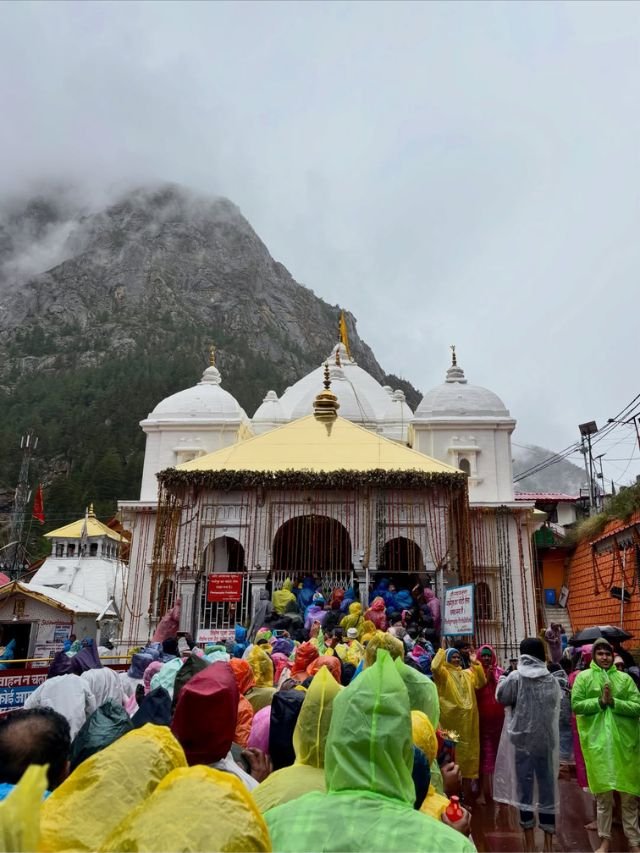
Located 25 km ahead of Harsil on the same route, Gangotri Temple is one of the four Char Dhams and the sacred temple associated with the origin of the Bhagirathi River. The temple usually opens in late April and closes after Diwali. The journey between Harsil and Gangotri takes around 45 minutes to one hour and passes through beautiful river valleys, deep gorges, and impressive mountain scenery.
2. Mukhba Village
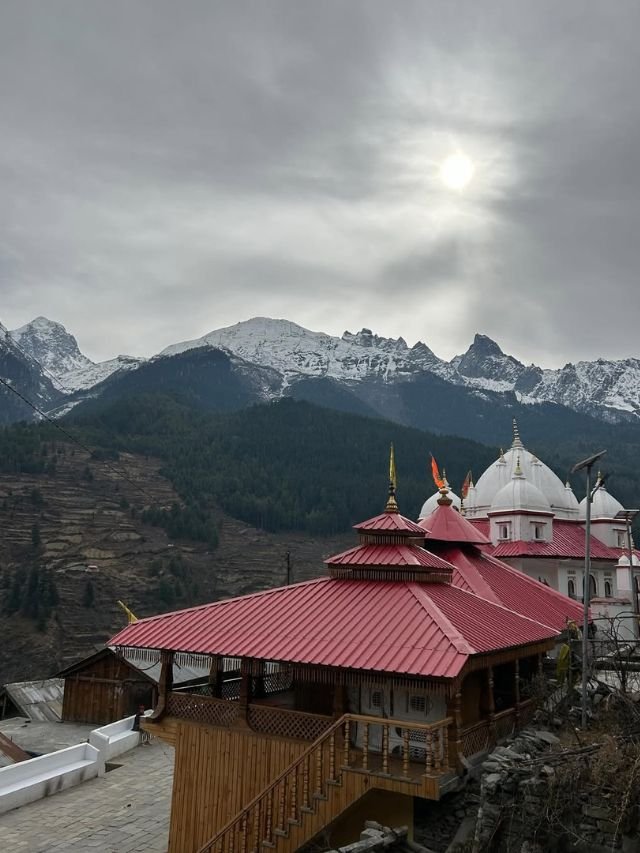
Mukhba Village serves as the winter home of Goddess Ganga after Gangotri Temple closes each year during October and November. This traditional Garhwali village is known for its wooden houses, terraced farms, and strong spiritual importance. Located about 3 km away, it can be reached through a pleasant uphill walk along a scenic village path.
3. Wilson Cottage
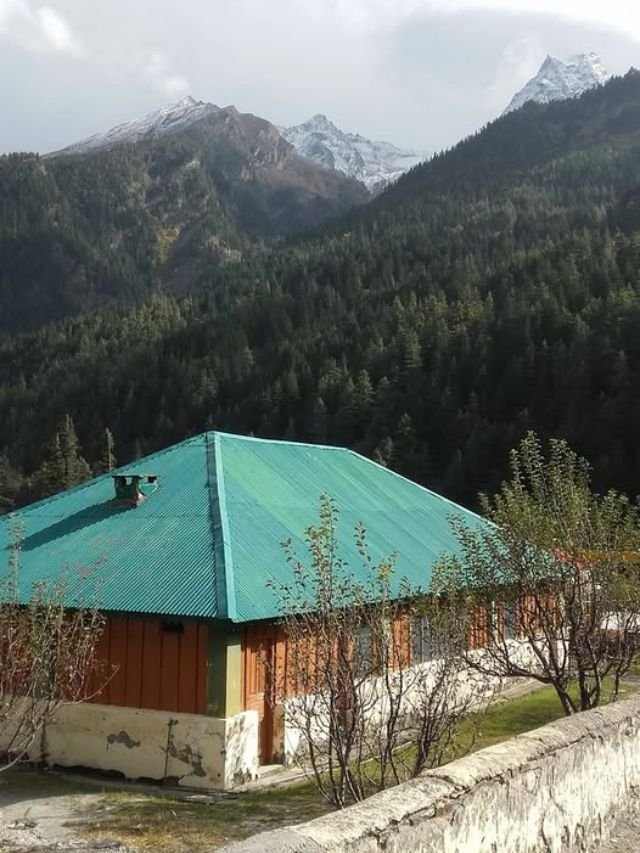
Wilson Cottage is linked to Frederick E. Wilson, a British officer who settled in Harsil during the nineteenth century and played an important role in introducing apple cultivation to the region. Surrounded by old deodar forests and apple orchards, the cottage provides insight into the area’s colonial past and helps visitors understand the history behind Harsil’s famous apple-growing tradition.
4. Dharali Village
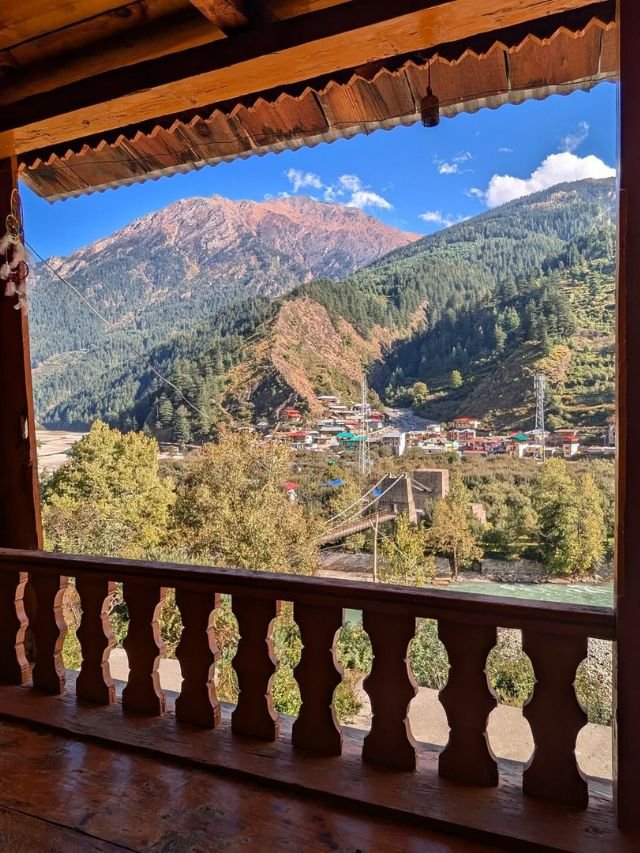
Important update for 2025-26: A major landslide in August 2025 caused extensive damage across Dharali Village, affecting a large part of the settlement. Visitors should check the latest road conditions, accessibility, and local travel updates before including Dharali in their itinerary.
5. Sat Tal
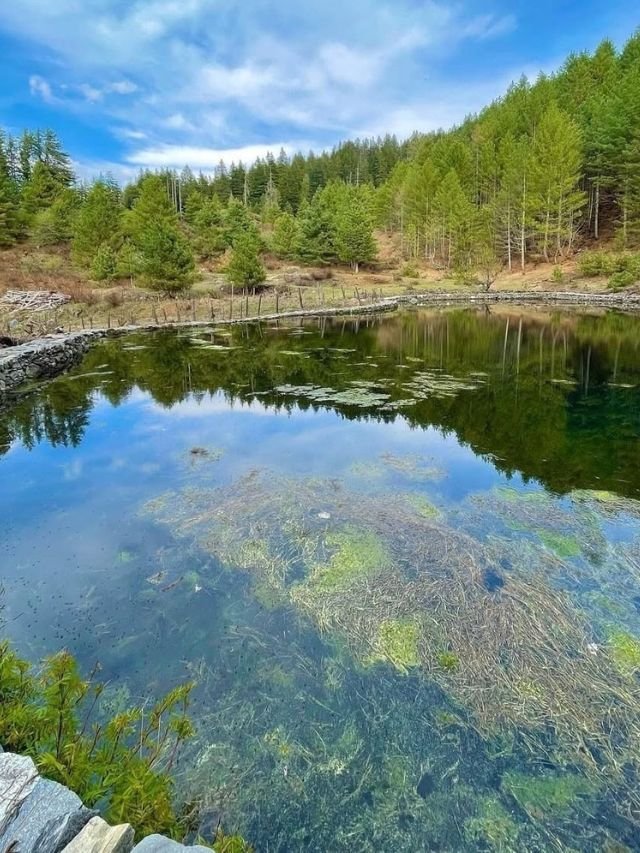
Sat Tal consists of seven connected freshwater lakes located within a peaceful forest setting about 4 km away. The area is ideal for birdwatching, nature walks, and quiet relaxation. Early morning is considered the best time to visit, as bird activity is highest and the surroundings remain calm and undisturbed.
6. Bhagirathi River Banks
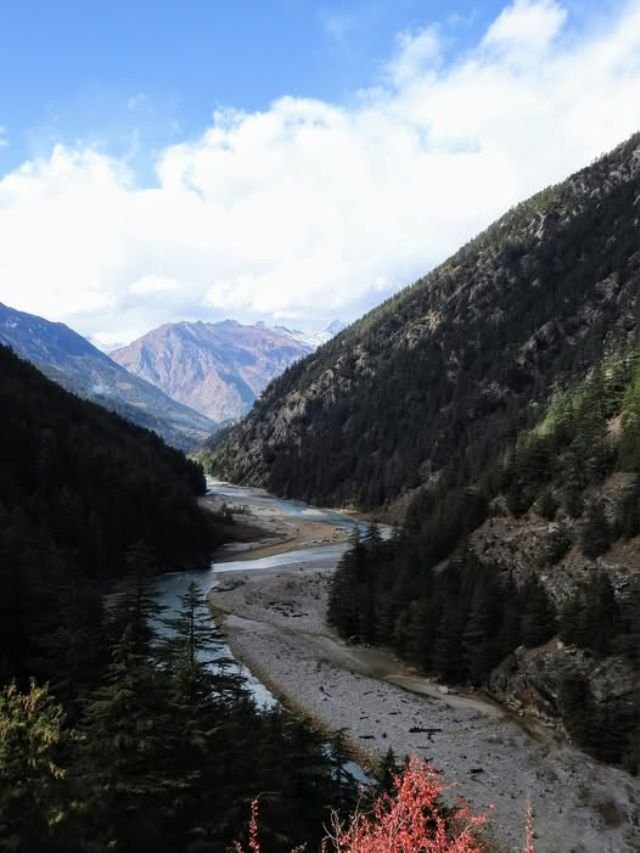
The Bhagirathi River Banks are among the easiest places to explore in Harsil. The river flows beside the village, and the open areas near the bridge provide excellent spots for short walks, picnics, and photography. Morning hours are particularly rewarding, with clear reflections of the surrounding mountains visible on the water.
7. Gangnani Hot Springs
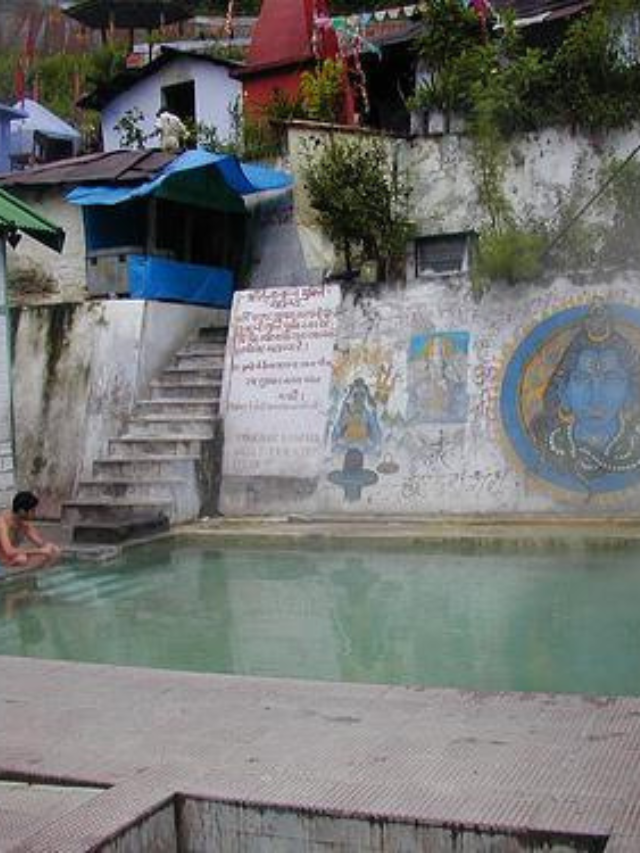
Situated about 20 km before Harsil on the Uttarkashi-Harsil route, Gangnani Hot Springs are known for their naturally warm mineral-rich waters. Many visitors stop here during their journey, especially in winter, when the contrast between the hot water and the cool mountain climate creates a unique and enjoyable experience.
8. Dayara Bugyal Meadow
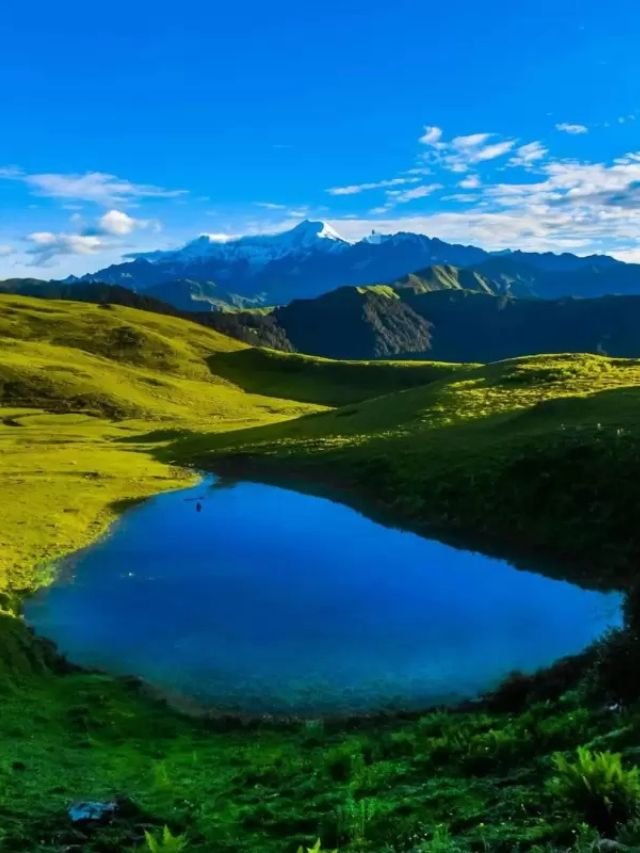
Dayara Bugyal is widely regarded as one of the most beautiful high-altitude meadows in the Harsil Valley region. The meadow is reached through a trek that begins at Barsu Village and rewards visitors with vast grasslands, panoramic Himalayan views, and outstanding natural beauty. Refer to the trekking section above for detailed route information.
Where to Stay in Harsil Valley

Harsil offers a small but sufficient range of accommodation options for travellers. Hotels and guesthouses can fill up quickly during the busy May to June season, so it is a good idea to book at least a week in advance. Many properties operate with limited services or remain closed during the winter months between November and March.
1. GMVN Tourist Rest House
The GMVN Tourist Rest House is one of the most dependable choices for budget and mid-range travellers. Managed by Garhwal Mandal Vikas Nigam, it maintains consistent service standards and has an on-site restaurant that serves simple meals. Room rates generally range between ₹800 and ₹1,500 per night. Advance booking through the GMVN website is recommended during the peak season.
2. Prakriti Retreat
Prakriti Retreat is a comfortable mid-range property located in a convenient area of Harsil. Guests can enjoy beautiful mountain and river views along with an in-house restaurant serving local and Indian dishes. Room rates usually range between ₹2,000 and ₹3,500 per night, depending on the season.
3. Harsil Retreat
Harsil Retreat is known for its warm hospitality and scenic riverside location. The property also helps guests arrange local sightseeing tours and trekking activities. During the peak season, room rates generally range between ₹2,500 and ₹4,000 per night.
4. River View Resort
River View Resort is a good option for travellers looking for scenic mountain and river views. The property often hosts bonfires and cultural programmes in the evenings, creating a pleasant atmosphere for guests. Room rates are typically between ₹2,500 and ₹4,000 per night.
5. Local Homestays
Homestays in Harsil village and nearby areas provide a more personal and authentic travel experience. Staying with local families allows visitors to learn more about the culture, traditions, and daily life of the valley. These accommodations are often among the most affordable choices in Harsil.
6. Uttarkashi as an Alternative Base
If accommodation in Harsil is fully booked, Uttarkashi can be a practical alternative. Located about 75 km away, the town offers a wider selection of hotels across different budgets. Many travellers stay in Uttarkashi and plan day trips to Harsil and Gangotri.
Practical Travel Tips
- Check road conditions before your trip. The Uttarkashi to Harsil road passes through the Bhagirathi Valley and can face landslides during the monsoon season. Winter weather may also lead to temporary road closures. Check updates with the Uttarakhand Traffic Police helpline or the State Disaster Management Authority before travelling to Harsil, especially between July and August and during the winter months.
- Carry enough cash. ATM services in Harsil can be unreliable. Uttarkashi has more dependable banking facilities. Keep sufficient cash for your stay along with some extra money for emergencies.
- Give your body time to adjust. Harsil is located at an altitude of 2,745 metres, and some visitors may feel mild altitude-related discomfort on the first day. Take it easy after arrival, drink plenty of water, and get proper rest. Travellers with a history of altitude sickness should seek medical advice before the trip.
- Be prepared for limited mobile connectivity. BSNL generally offers the most dependable network coverage in Harsil. Jio and Airtel signals may be available in some areas but can be inconsistent. Inform family or friends about your travel plans and possible communication gaps.
- Pack warm clothing, even in summer. Temperatures in Harsil can drop quickly after sunset, including during May and June. A fleece jacket and a light down jacket are useful throughout the year.
- Begin road journeys early in the day. Morning travel is usually more comfortable because visibility is better and weather conditions are generally more stable. It is best to avoid reaching Harsil after dark.
- Plan Gartang Gali permits in advance. Do not expect permits to be available immediately upon arrival. Confirm permit availability with the DFO Bhaironghati before including Gartang Gali in your itinerary.
- Respect local apple orchards. Many orchards around Harsil are privately owned. Always ask the owner’s permission before entering any orchard area.
Conclusion
Harsil Valley is an ideal destination for travelers looking to enjoy natural beauty, outdoor adventures, and a rich local culture. You can explore scenic trails, experience the warm hospitality of local communities, and relax in the peaceful surroundings. Every moment in Harsil Valley offers a unique and memorable experience. Plan your journey carefully, respect the local traditions and environment, and you will return with unforgettable memories that stay with you for years.
