
TL;DR
Valley of Flowers is a UNESCO World Heritage Site in Chamoli district, sitting at 3,250 to 3,600 metres inside the Nanda Devi Biosphere Reserve. The park opens June 1 and closes October 31, but the densest bloom of over 600 wildflower species falls between July 15 and August 15. Entry costs INR 150 for Indian nationals and INR 650 for foreign nationals, with permits issued at Ghangaria.
Gates open at 7:00 AM, last entry is 2:00 PM, and every visitor must exit by 5:00 PM, since overnight stays inside the valley are not permitted. The full trek runs 34 to 38 km over 4 to 6 days through Govindghat, Pulna, and Ghangaria. Many travelers pair this with the Hemkund Sahib trek, a steeper 6 km climb to 4,329 metres.
Quick Details: Valley of Flowers
| Information | Details |
|---|---|
| Location | Chamoli district, Uttarakhand |
| Altitude | 3,250 m to 3,600 m (valley floor to upper meadows) |
| Area | 87.5 square kilometres |
| UNESCO Status | World Heritage Site (jointly with Nanda Devi National Park) |
| Park Open | June 1 to October 31 |
| Gate Opens | 7:00 AM |
| Last Entry | 2:00 PM |
| Must Exit By | 5:00 PM |
| Overnight Stay in Valley | Not permitted |
| Entry Fee (Indians) | ₹150 per person |
| Entry Fee (Foreigners) | ₹650 per person |
| Trek Base | Ghangaria village |
| Nearest Road Point | Govindghat (then Pulna by taxi) |
The Valley of Flowers in Chamoli, Uttarakhand, spreads across about 87 square kilometres and comes alive during the monsoon season with more than 600 species of wildflowers. Surrounded by Himalayan peaks and located at an altitude of around 3,600 metres, it is one of the most beautiful natural attractions in India.
The Valley of Flowers National Park is part of the Nanda Devi Biosphere Reserve and is recognised as a UNESCO World Heritage Site. The park opens in June and remains accessible until October before heavy snowfall covers the area.
The valley of flowers trek is a moderate journey that passes through forests, streams, waterfalls, and Ghangaria, the base camp for both the valley and Hemkund Sahib.
This guide covers everything you need to know, including the valley of flowers trek, entry fees, permits, timings, best time to visit, how to reach, where to stay, and tips for planning a Valley of Flowers and Hemkund Sahib trip.
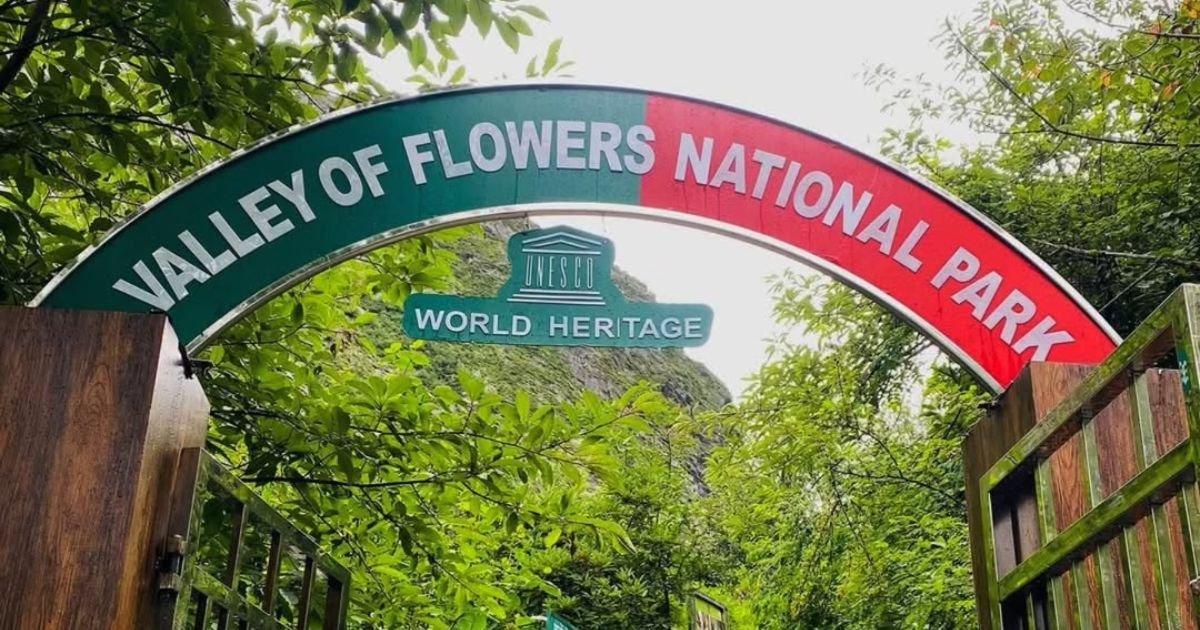
What Makes the Valley of Flowers Special?
The Valley of Flowers got its name after botanist Frank Smythe discovered it in 1931 during a Himalayan expedition. Impressed by its beauty, he later wrote a book about it. The area was declared a National Park in 1982 and is now one of India’s most protected natural sites.
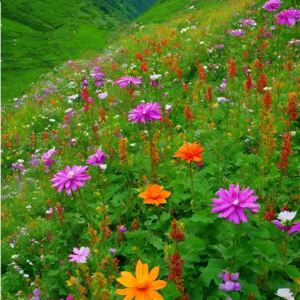
What makes the Valley of Flowers unique is its rich variety of plant life. More than 600 species of wildflowers bloom here, including the famous Brahma Kamal, Himalayan Blue Poppy, Cobra Lily, Primula, and several orchid species. The landscape changes throughout the season as different flowers bloom at different times.
The valley is also home to many Himalayan wildlife species, including the snow leopard, musk deer, Asiatic black bear, Himalayan monal, and Koklass pheasant. While large animal sightings are uncommon, visitors often enjoy spotting birds along the trekking route.
Nanda Devi and Valley of Flowers: The UNESCO Listing Explained
The official UNESCO World Heritage Site name is Nanda Devi and Valley of Flowers National Parks, added to the UNESCO list in 2005. It includes Nanda Devi National Park and Valley of Flowers National Park as one protected Himalayan landscape.
Nanda Devi National Park surrounds India’s second-highest peak (7,816 m) and has very restricted public access. The Valley of Flowers is open to visitors and trekkers during the summer season.
It is important to know that the permit issued at Ghangaria is valid only for the Valley of Flowers area. It does not allow entry into the core Nanda Devi sanctuary. Together, these parks protect one of the most important Himalayan ecosystems, making the UNESCO status highly significant for conservation.
Valley of Flowers National Park Tickets and Entry Rules
Getting the permit in advance helps avoid delays at the entry point.
Valley of Flowers national park tickets are available at the Forest Department permit counter in Ghangaria, near the main market. Forest officials check permits before visitors enter the valley. Without a valid permit, entry is not allowed, even after completing the trek to the checkpoint.
Current Entry Fees
| Category | Fee |
|---|---|
| Indian Adults | ₹150 per person |
| Foreign Nationals | ₹650 per person |
| Camera Permit | Additional charge (confirm at counter) |
| Video Camera | Higher additional charge |
Gate Timings
- Gate opens: 7:00 AM
- Last entry allowed: 2:00 PM
- All visitors must exit: by 5:00 PM
- Overnight stays inside the valley: strictly prohibited
Online vs Offline Booking: Online booking is recommended for July and August, as visitor numbers are high and queues at Ghangaria can take 30 to 60 minutes. In June and September, the offline counter at Ghangaria is usually a convenient option due to shorter waiting times.
Documents Required: Carry a valid government photo ID. Indian visitors can use Aadhaar, Voter ID, or PAN card, while foreign visitors need a passport.
Camping Rules: Camping inside the Valley of Flowers is not allowed. All visitors must return to Ghangaria before evening, as overnight stays are prohibited inside the protected area.
Best Time to Visit Valley of Flowers
Valley of Flowers is open from June 1 to October 31, and each month offers a different experience.
Late June (after June 15): The snow has mostly melted, and the valley turns green. Flowers start appearing, and visitor numbers are lower. This is a good time for peaceful walks and clear weather.
July: The flowering season begins. The valley becomes colorful, but monsoon rains are common. Trails can be wet and slippery, so a raincoat is essential.
Early August: This is the peak flowering period. The meadows are covered with colorful wildflowers, making it the valley of flowers best time to visit for the most impressive bloom. Expect regular rain and mist during this period.
September: Flower numbers start decreasing, but mountain views become clearer. The weather is more comfortable, and the trails are easier to walk. It is a great choice for visitors who enjoy trekking and scenic landscapes.
October: The season comes to an end, and the valley becomes quieter. Most flowers have faded, but the trek remains peaceful with fewer visitors.
“For most first-time visitors, July 15 to August 15 offers the best overall experience. For clearer views and easier trekking, September is often the better choice.”
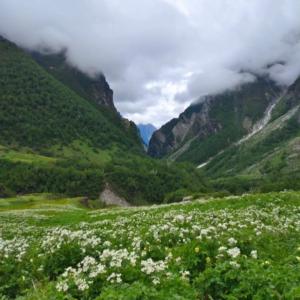
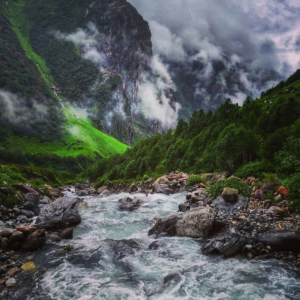
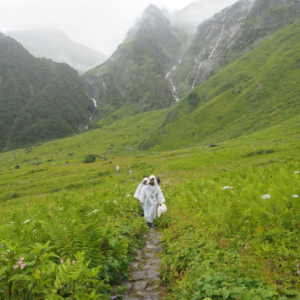
Valley of Flowers National Park Photos






Valley of Flowers Trek: Complete Route Guide
The valley of flowers trek is a moderate multi-day walk. It is not technically demanding, but altitude, distance, and the physical shape you arrive in all matter. Here is the full breakdown.
Trek Route Leg by Leg
| Leg | Route | Distance | Mode | Time |
|---|---|---|---|---|
| 1 | Govindghat to Pulna | 4 km | Shared taxi | 15 to 20 min |
| 2 | Pulna to Ghangaria | 9 to 10 km | Trek | 5 to 6 hours |
| 3 | Ghangaria to Valley entrance | 4 km | Trek (one way) | 2 to 2.5 hours |
| 4 | Inside the valley | Variable | Trek | 2 to 4 hours |
| 5 | Valley back to Ghangaria | 4 km | Trek | 1.5 to 2 hours |
Total on-foot trek distance (full trip including return): Approximately 34 to 38 km over 4 to 6 days depending on pace.
Trek Difficulty
Moderate. The Pulna to Ghangaria stretch is the longest part of the trek and follows a gradual uphill trail along the Pushpawati River. The Ghangaria to Valley of Flowers section is shorter with a steady climb. No technical climbing is required, making it suitable for most trekkers with a reasonable fitness level.
Altitude can be a challenge for some visitors. Ghangaria is located at about 3,100 metres, while the valley ranges between 3,250 and 3,600 metres. Walk at a comfortable pace, stay hydrated, and take some rest at Ghangaria before continuing the trek.
Helicopter and Pony Options
A helicopter service runs between Govindghat and Ghangaria, which eliminates the Pulna to Ghangaria trek leg. This is practical for visitors with limited time or mobility concerns. Ponies and porters are also available on the Pulna to Ghangaria route for those who want support with luggage or physical assistance.
The 4 km section from Ghangaria into the Valley of Flowers must be completed on foot. There are no exceptions to this rule.
Trek Route Overview
- Day 1: Travel to Govindghat or Joshimath. Overnight stay.
- Day 2: Govindghat to Pulna (shared taxi, 4 km), then Pulna to Ghangaria (9 to 10 km trek). Overnight at Ghangaria.
- Day 3: Ghangaria to Valley of Flowers and back (8 km round trip). Overnight at Ghangaria.
- Day 4 (optional): Trek to Hemkund Sahib (6 km one way). Overnight at Ghangaria.
- Day 5: Ghangaria back to Pulna to Govindghat. Drive to Joshimath or Rishikesh.
Valley of Flowers and Hemkund Sahib: The Combined Trip
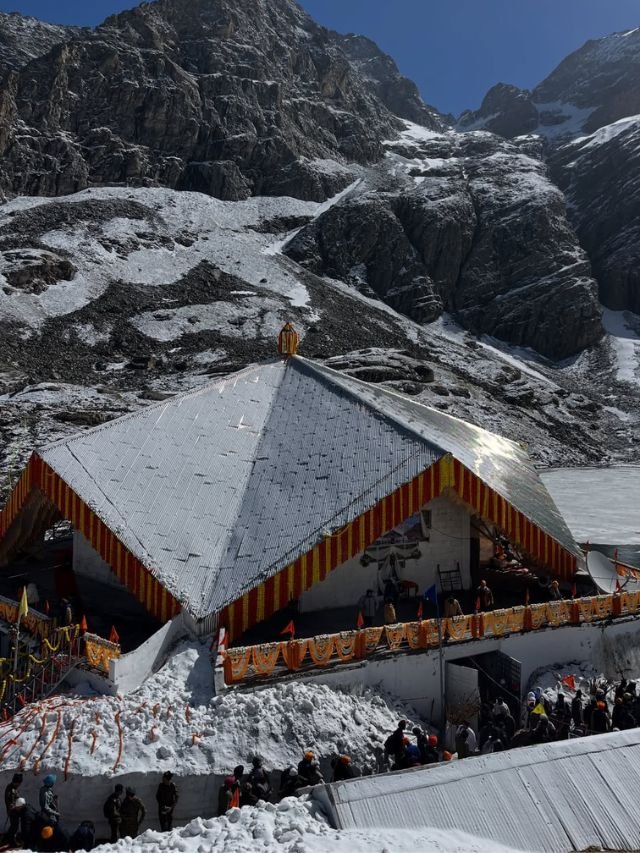
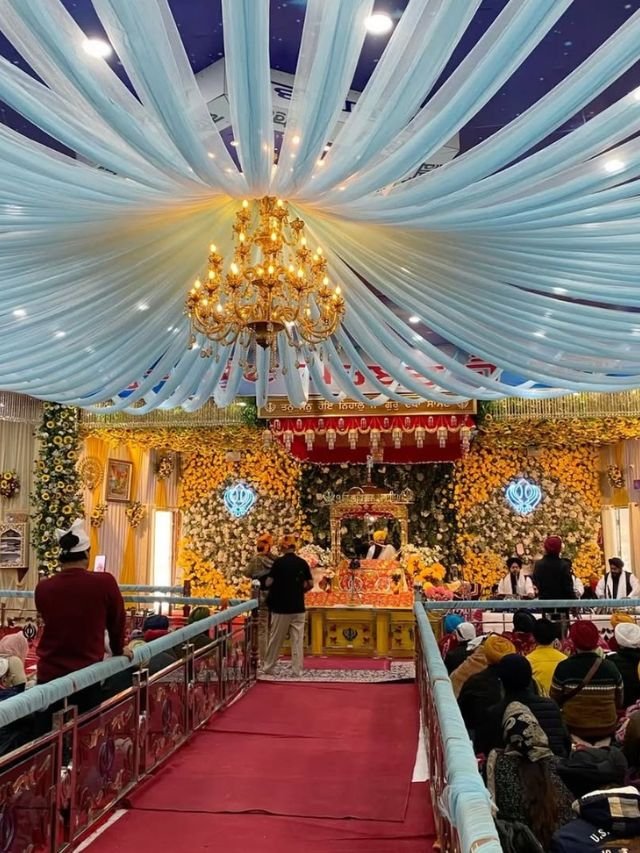
Valley of flowers and hemkund sahib together make the most complete version of this trip. Both are accessed through Ghangaria, and most visitors who spend 2 nights at the base camp do both.
Hemkund Sahib is a sacred Sikh gurudwara at 4,329 metres, one of the highest religious sites in the world. It sits beside a glacial lake of the same name, ringed by seven snow-capped peaks. The trek starts at Ghangaria and covers 6 km one way, usually taking 3 to 4 hours uphill.
The Hemkund Sahib trek is more challenging than the Valley of Flowers due to its steep climb and higher altitude. Visitors with heart or altitude-related health concerns should consult a doctor before the trek.
Practical combination tip: Do the Valley of Flowers on Day 3 and Hemkund Sahib on Day 4. This order allows you to acclimatise at Ghangaria before the harder climb. Do not attempt both on the same day.
No permit is needed for Hemkund Sahib beyond general identity proof at the gurudwara registration.
How to Reach Valley of Flowers, Uttarakhand?
Getting to Govindghat is the goal. Everything after that is the trek.
Distance Table
| Origin | Distance to Govindghat | Travel Time |
|---|---|---|
| Rishikesh | 275 km | 9 to 10 hours |
| Haridwar | 310 km | 10 to 11 hours |
| Dehradun | 300 km | 9 to 10 hours |
| Delhi | 508 km | 14 to 16 hours |
| Jolly Grant Airport | 286 km | 9 hours |
| Joshimath | 25 km | 45 minutes |
By Road
The road journey follows this route: Haridwar, Rishikesh, Devprayag, Srinagar Garhwal, Rudraprayag, Karanprayag, Nandprayag, Joshimath, and then Govindghat. After reaching Govindghat, shared taxis travel 4 km to Pulna village, which is the starting point of the trek.
During the Char Dham Yatra season, regular buses operate between Haridwar, Rishikesh, and Joshimath. Govindghat is located 25 km beyond Joshimath. Local buses and shared taxis are easily available between Joshimath and Govindghat.
Many travelers prefer to stay overnight in Rishikesh, Rudraprayag, or Joshimath before continuing the journey. This helps avoid a long drive in a single day. The mountain road becomes much narrower after Joshimath, so daytime travel is generally recommended.
By Train
Rishikesh is the nearest railway station and has rail connections with Delhi and several major cities in North India. After reaching Rishikesh, travelers can take a bus or shared taxi to Joshimath, which usually costs around ₹300 to ₹500 per person, and then continue to Govindghat.
By Air
Jolly Grant Airport in Dehradun is the nearest airport, 286 km away. A private taxi to Govindghat costs approximately ₹6,000 to ₹8,000 and takes 9 hours.
Where to Stay
1. At Ghangaria (Trek Base)
Ghangaria is the only accommodation option for the trek itself. It has multiple guesthouses, GMVN lodges, and basic hotels. Rooms are simple but adequate. Expect to pay ₹800 to ₹2,000 per night depending on season and room type.
- Peak season (July-August) availability fills quickly.
- Book ahead or arrive early in the day to secure a room.
2. At Govindghat
The most convenient spot for the first and last nights. Basic guesthouses and the Gurudwara Sahib Sri Gobind Ghat (which offers free langar and dormitory accommodation for pilgrims) are both available.
3. At Joshimath
25 km before Govindghat, Joshimath is the main town in the area with the widest range of hotels at all price points. Good choice for travellers who want more comfort before or after the trek.
Nearby hotels for non-trekkers or rest days:
| Hotel | Location | Rating | Approx Rate |
|---|---|---|---|
| Hotel Nanda Devi | Joshimath | 4.3/5 | ₹1,500 to ₹3,000 |
| Hotel Dronagiri | Ghangaria | 4.0/5 | ₹1,000 to ₹2,000 |
| Hotel Blue Poppy | Govindghat | 4.4/5 | ₹1,200 to ₂,500 |
| Hotel Bhagat | Joshimath | 4.2/5 | ₹1,500 to ₹3,000 |
| Hotel Kamet | Govindghat | 3.6/5 | ₹800 to ₹1,500 |
What to Pack
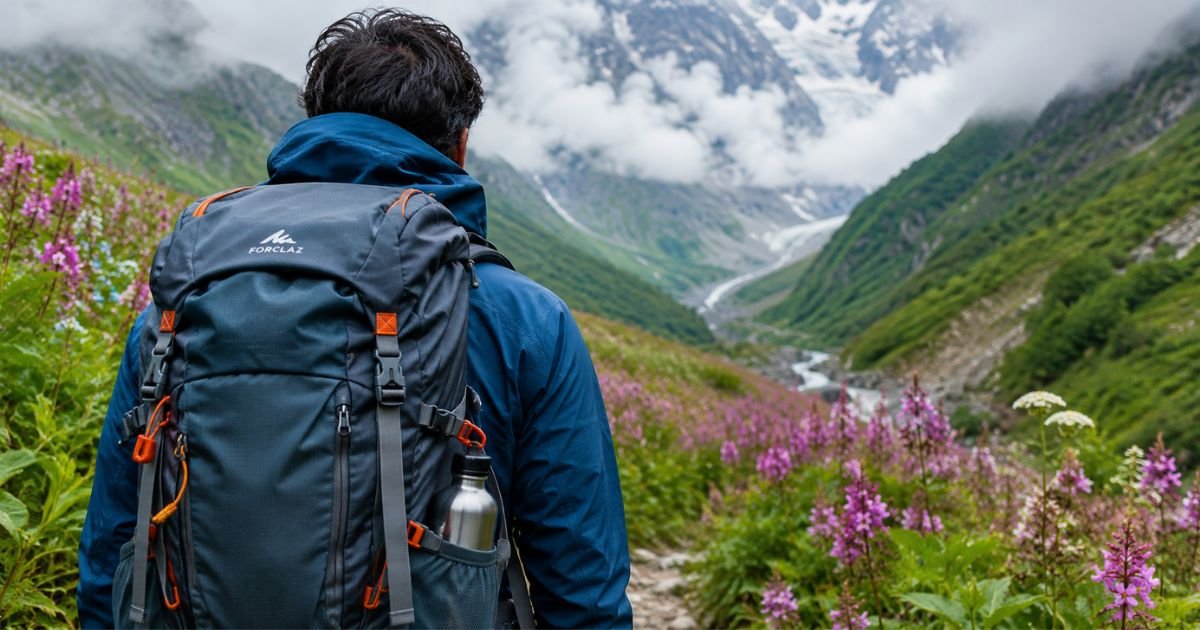
The trail passes through monsoon weather and high-altitude terrain, so packing smartly can make your trek much more comfortable and safe.
- Clothing: Carry a rain jacket or poncho, which is essential during July and August. Pack a warm fleece or down jacket for cool evenings in Ghangaria, moisture-wicking base layers, comfortable trekking pants, and an extra set of clothes stored in a waterproof dry bag.
- Footwear: Wear waterproof trekking shoes with strong grip. The trail often becomes wet, muddy, and slippery during the monsoon season. Regular sports shoes do not provide enough support or traction for this trek.
- Gear: A trekking pole is highly recommended, especially for steep and slippery downhill sections. Bring a headlamp with spare batteries and a small daypack for carrying essentials during your visit to the valley.
- Health: Pack a personal first-aid kit, altitude sickness medicine such as Diamox after consulting your doctor, water purification tablets or a filter bottle, and enough energy bars and dry snacks. There are no food shops available inside the park.
- Documents: Keep your original government-issued ID and a printed copy of your permit confirmation if you booked your entry online.
- Useful Extras: Consider carrying leech socks or small salt packets, as leeches are common during the monsoon months. Binoculars are useful for birdwatching, and a lightweight waterproof backpack cover can help protect your belongings during rain.
Things to Know Before You Go
- Food and water: There are no shops inside the valley. Carry water and light snacks before entering. Ghangaria is the last place to buy supplies.
- Mobile network: Airtel and BSNL work in Joshimath, but the signal is limited after Govindghat. Share your travel plans before starting the trek.
- Cash and ATM: The last reliable ATM is in Joshimath. Keep enough cash for permits, food, and other expenses.
- Altitude: Ghangaria is at 3,100 metres. Walk at a comfortable pace, stay hydrated, and avoid overexertion.
- Plastic-free zone: The Valley of Flowers follows strict no-plastic rules. Carry a reusable water bottle and avoid disposable items.
- Photography: Stay on the marked trail and avoid stepping into flower beds. The meadow ecosystem is delicate and protected.
- Guide: Hiring a guide is optional but can be helpful for first-time visitors.
