
TL;DR
Kartik Swami Temple sits at 3,050 metres near Kanakchauri village in Rudraprayag district, and it is one of Uttarakhand’s most rewarding yet undervisited spiritual destinations. The nearest railway stations are Haridwar (200 km) and Rishikesh (180 km). The road route follows Delhi to Haridwar to Rishikesh to Devprayag to Rudraprayag, and a shared jeep covers the final 40 km to Kanakchauri for just ₹50 to ₹100.
A short 3 km easy trek with 380 steps takes about an hour and leads straight to the temple. Entry is completely free, no permits are needed, and the trail is open all year. The best seasons for a visit are March to June for clear skies and blooming rhododendrons, and September to November for post-monsoon Himalayan views.
Kartik Swami Temple Height and Quick Facts
| Detail | Information |
|---|---|
| Kartik Swami Temple height | 3,050 metres (10,007 feet) |
| Mountain | Kronch Parvat |
| District | Rudraprayag, Uttarakhand |
| Deity | Lord Kartikeya |
| Trek Base | Kanakchauri village |
| Trek Distance | 3 km one way |
| Steps at Summit | 380 stone steps |
| Entry Fee | Free |
| Permit Required | None |
| Nearest Town | Rudraprayag (40 km) |
Most people travelling through Rudraprayag on the route to Kedarnath or Badrinath come within 40 km of Kartik Swami Temple without realizing it is there. That hidden location is one of the reasons the temple feels so special.
Situated at an altitude of 3,050 metres on Kronch Parvat, this ancient temple is dedicated to Lord Kartikeya, the elder son of Lord Shiva. The temple stands on a narrow mountain ridge with clear views in every direction, offering a spectacular panorama of some of the most famous Himalayan peaks in Garhwal.
What makes Kartik Swami Temple truly unique is its religious significance. It is widely believed to be the only major temple in North India dedicated to Lord Kartikeya. Most temples devoted to Kartikeya are located in South India, where he is worshipped as Murugan or Subramanya. This temple, located above Kanakchauri village in the Garhwal Himalayas, remains a rare and important exception.
This guide covers everything needed for a well-planned visit. Kartik Swami Temple trek details, history, current transport fares, temperature by season, how to reach Kartik Swami Temple by road and train, nearby places worth combining, and practical tips that actually help.

Where is Kartik Swami Temple Located?
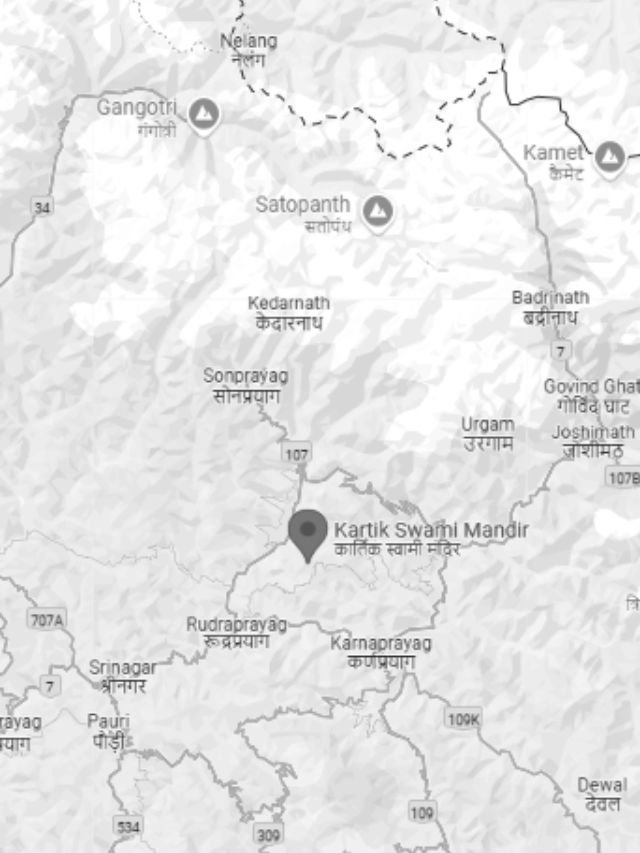
Kartik Swami Temple is located near Kanakchauri village in the Rudraprayag district of Uttarakhand. The temple lies within the Kedarnath Wildlife Sanctuary on the ridge of Kronch Parvat. Rudraprayag is the nearest major town and is around 40 km away by road.
The location of Kartik Swami Temple makes it unique compared to many other temples in Uttarakhand. Instead of being surrounded by a valley or situated along a river, the temple stands on an open mountain ridge. Visitors can enjoy stunning 360-degree views of the Himalayan landscape.
On clear days, several famous peaks can be seen, including Nanda Devi, Trishul, Chaukhamba, Kedarnath Dome, Neelkanth, Dronagiri, Nanda Ghunti, Meru, Sumeru, and Bandarpoonch.
Kartik Swami Temple History
The Kartik Swami Temple history is rooted in one of the most well-known stories in Hindu mythology, but this temple gives it a physical ending that exists nowhere else.
Lord Shiva once gave his two sons a challenge. The son who could travel around the universe first would receive the highest honour.
Kartikeya, famous for his bravery and speed, immediately began his journey on his peacock.
Ganesha chose a different path. He calmly walked around Lord Shiva and Goddess Parvati and said that they were his entire universe. Lord Shiva was deeply moved by this wisdom and granted the blessing to Ganesha.

After completing his long journey, Kartikeya returned and learned what had happened. He accepted the decision without any complaint. As a symbol of his devotion, he offered his flesh to Goddess Parvati and his bones to Lord Shiva.
“People in this region believe those sacred bones still exist inside this temple as a naturally formed idol resting on a marble-like rock.” This belief is unique to this temple and is not associated with any other shrine in India. Standing before the idol and knowing the story behind it gives the temple a very special atmosphere.
Another important legend is closely connected to this mountain.
Kronch Parvat, the ridge where the temple stands, is named after the Kronch bird mentioned in ancient Hindu scriptures. According to local tradition, Lord Kartikeya pierced this mountain with his vel (spear) after defeating the demon Tarakasura. He then chose this sacred location as his permanent abode. Devotees believe the path once travelled by his peacock still carries spiritual energy, which is why the forest trail leading to the temple feels far more meaningful than a simple mountain walk.
Kartik Poornima is the most significant festival celebrated at the temple. Held on the full moon night of the Kartik month, usually in October or November, it attracts thousands of pilgrims every year. In recent years, visitor numbers during Kartik Poornima have increased significantly, showing the growing popularity of the temple among both devotees and travellers.
Kartik Swami Temple Temperature: What to Expect Throughout the Year
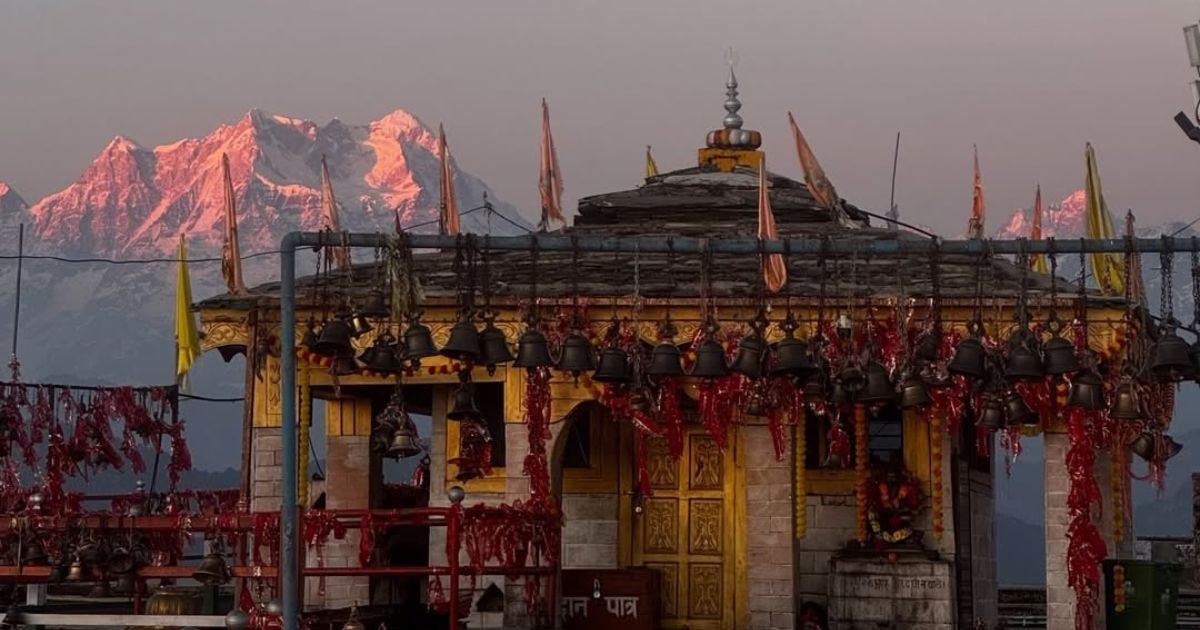
The Kartik Swami Temple temperature is much cooler than the towns in the lower valleys because the temple sits at an altitude of about 3,050 metres. Strong winds on the ridge often make it feel colder than the actual temperature.
Spring (March to April)
Temperatures usually stay between 5°C and 18°C. Rhododendron flowers bloom across the forest, adding bright red and pink colours to the trail. Clear weather and dry paths make spring one of the best times to visit.
Summer (May to June)
Daytime temperatures generally range between 18°C and 22°C. This is the busiest season at the temple. The skies are usually clear, offering excellent mountain views. A light jacket is still recommended because the summit area can feel quite chilly due to strong winds.
Monsoon (July to August)
Temperatures remain around 12°C to 18°C. The trail can become slippery during this period, and landslides may affect roads in the region. Although the surrounding forests look lush and green, trekking conditions are less reliable.
Autumn (September to November)
Many travellers consider this the best season to visit. Temperatures range between 2°C and 16°C. Fresh post-monsoon weather brings clear skies and excellent visibility of the Himalayan peaks. The trail also looks beautiful with seasonal colours. Kartik Poornima is celebrated during this period, attracting many devotees.
Winter (December to February)
Winter is cold, with temperatures dropping to around -5°C at night and staying below 10°C during the day. Snowfall is common near the temple, and some sections of the trail may become icy. Visitors should carry proper winter clothing and be prepared for changing weather conditions. Clear winter days reward trekkers with stunning Himalayan views.
Best Time to Visit Kartik Swami Temple
May and October are the two best individual months. May for warmth and accessibility, October for the clearest Himalayan views and the energy around Kartik Poornima season.
The overall best windows are March to June and September to November. Avoid July and August unless comfortable with monsoon road risks and slippery trail conditions.
How to Reach Kartik Swami Temple, Uttarakhand
How to reach Kartik Swami Temple starts with reaching Kanakchauri village, the point where the motorable road ends and the trek begins. Most visitors first travel to Rudraprayag, the main town and transport hub of the district. After reaching Rudraprayag, Kanakchauri is easily accessible by road, making it the starting point for the temple trek.
| Starting Point | Distance to Kanakchauri | Travel Time |
|---|---|---|
| Rudraprayag | 40 km | 1.5 to 2 hours |
| Rishikesh | 180 km | 5 to 6 hours |
| Haridwar | 205 km | 6 to 7 hours |
| Dehradun | 210 km | 6 to 7 hours |
| Delhi | 430 km | 11 to 12 hours |
| Jolly Grant Airport | 222 km | 7 hours |
Rudraprayag to Kartik Swami Temple
Rudraprayag to Kartik Swami Temple is the leg most visitors focus on, and it is simpler than it looks.
The distance is 40 km via NH107 toward Ukhimath and Kanakchauri. The road is fully paved and motorable all the way to the village. Drive time is around 1.5 to 2 hours depending on road conditions.
- Shared jeep fare: ₹50 to ₹100 per person. Jeeps depart when full from the Rudraprayag taxi stand.
- Private taxi (one way): ₹800 to ₹1,200 depending on vehicle type. A round trip with waiting time while trekking costs approximately ₹1,800 to ₹500.
The drive follows the Mandakini River valley through Ukhimath and then climbs into the forest-covered hills above. It is a beautiful route, and the road remains in good condition for most of the year except during the monsoon season.
1. By Train
Nearest Railway Stations:
- Haridwar Railway Station: Approximately 200 km from Kanakchauri.
- Rishikesh Railway Station: Around 180 km away.
Take a bus or shared taxi to Rudraprayag (fare approximately ₹200 to ₹300 per person). Then take a shared jeep to Kanakchauri.
2. By Air
Jolly Grant Airport in Dehradun is the nearest airport, 222 km away. A private taxi costs approximately ₹5,000 to ₹6,500 and takes about 7 hours.
3. By Road
Delhi: Travel via NH58 through Haridwar, Rishikesh, Devprayag, Srinagar Garhwal, and Rudraprayag. The total distance is around 430 km, and the drive usually takes 11 to 12 hours. Staying overnight in Rishikesh or Rudraprayag is the most practical option for a comfortable journey.
Dehradun: Travel via Rishikesh on NH58 to Rudraprayag, followed by NH107 to Kanakchauri. The total distance is about 210 km, with a travel time of approximately 6 to 7 hours.
Kartik Swami Temple Trek: Everything to Know Before Starting
The Kartik Swami Temple trek is what most people remember most about this visit. The road ends at Kanakchauri and the trek begins right there at the village entrance.
The trail begins on a stone-paved path that passes through dense oak and rhododendron forest. The first kilometre is gradual and easy to follow, with no major climb. This forest lies inside the Kedarnath Wildlife Sanctuary and is home to more than 150 recorded bird species.
“Birdwatchers may spot the Himalayan Monal, the state bird of Uttarakhand, along with the Koklass Pheasant and the Golden Eagle. Bringing a pair of binoculars can make the experience even more rewarding.”
Around the middle section of the trek, the forest starts becoming less dense. The trail opens onto a broader ridge, and the first clear views of the surrounding mountains come into sight. This is also the point where stronger winds are common. It is a good idea to keep a warm layer within easy reach instead of packing it deep inside the bag.
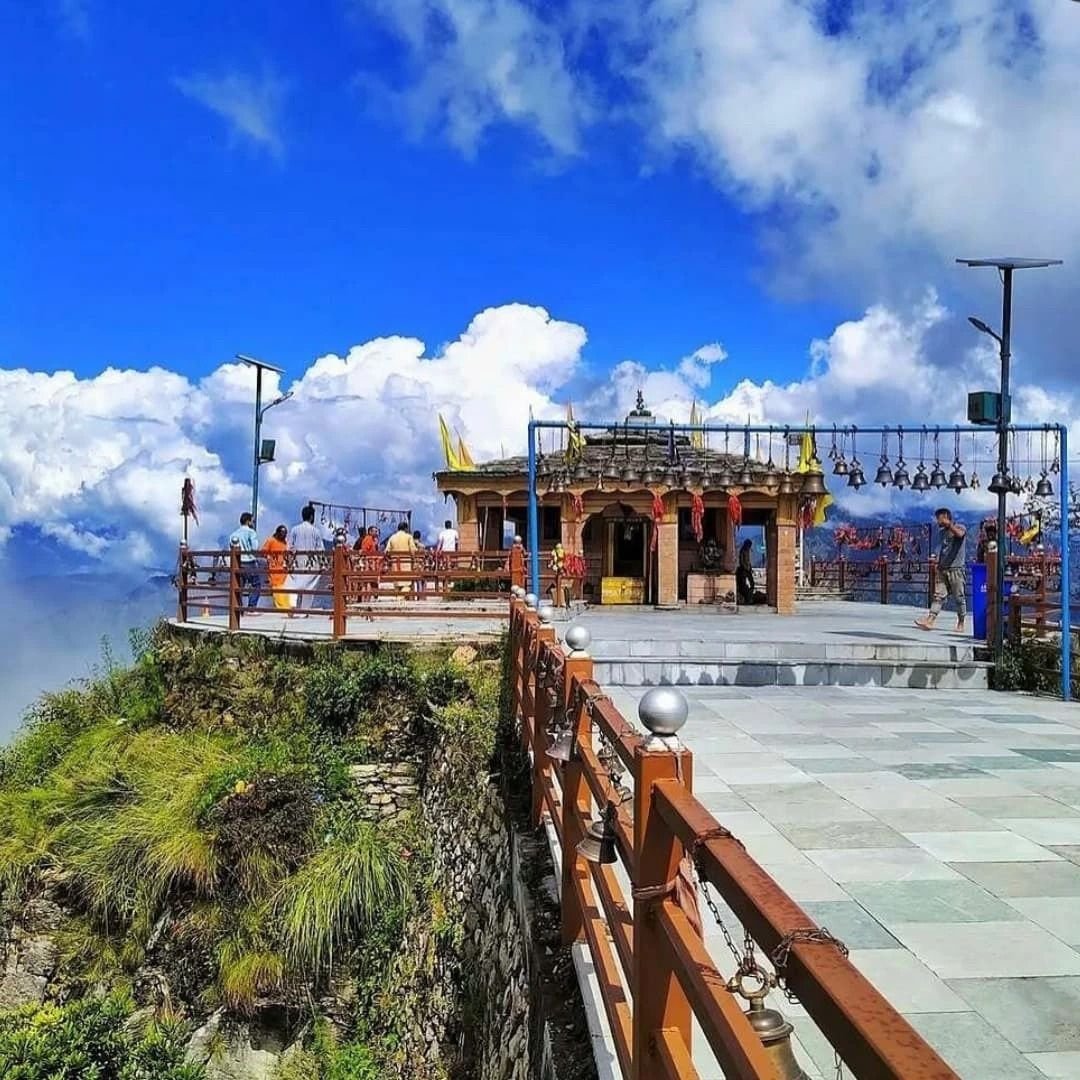
The last stretch includes 380 stone steps built into the ridge. This is usually the most demanding part of the climb, and many trekkers pause here to catch their breath. The steps are in good condition, and safety railings are installed along the exposed sections. Walk at a pace that feels comfortable and enjoy the surroundings along the way.
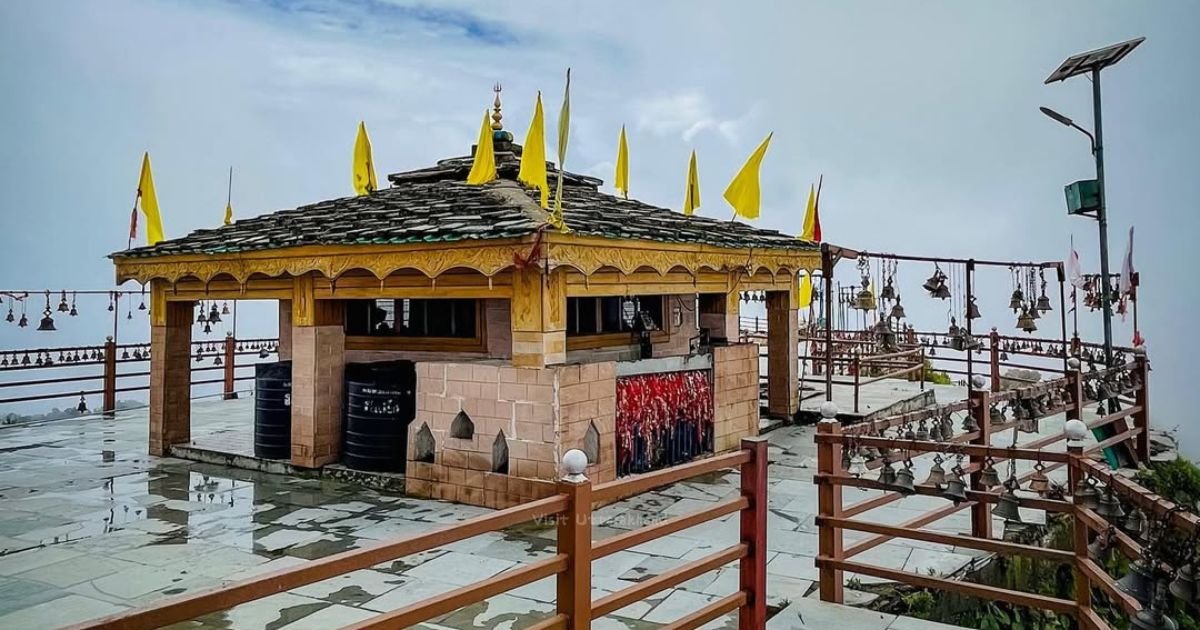
At the summit, the ridge remains narrow and peaceful. The temple is a small stone shrine located in a compact open space enclosed by a low wall. A local priest is present on most days and warmly welcomes visitors. Those interested can learn more about the temple rituals and the stories connected to the idol by speaking with him respectfully.
- Water: There is a water point at Kanakchauri. Carry at least one litre as the trail has no reliable water sources after the base.
- Food: Tea stalls and basic snack stalls at Kanakchauri are good for a meal before or after the trek. Nothing is available on the trail itself or at the top.
- Camping: A small flat area near the temple allows overnight camping. No permit is needed but it is polite to inform the local priest or the guesthouse owner at Kanakchauri before doing so. Carry all gear including tent and sleeping bag as there are no facilities at the top.
What You See at the Top
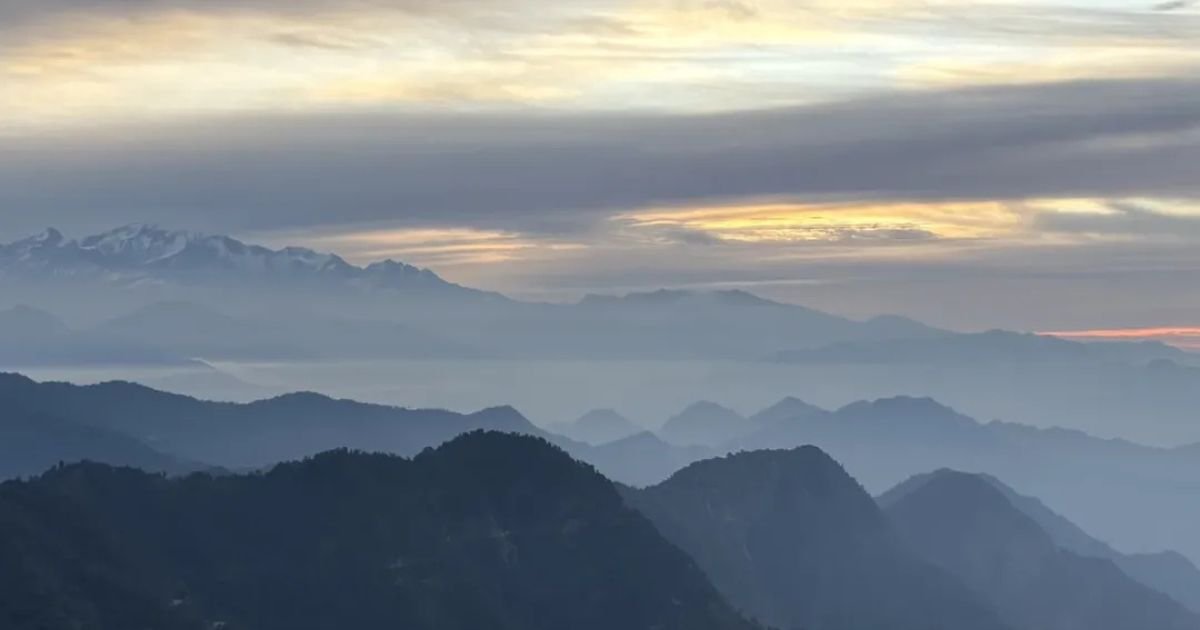
Once you reach the temple, you’ll be rewarded with views that photographers dream about. Standing at a stunning height of 3,050 meters, the temple offers views of famous Himalayan peaks like:
On a clear day, you can see as far as the distant ranges of Himachal Pradesh.
Where to Stay
- Kanakchauri has basic guesthouses and local homestays right at the trek base. These are the best option for an early morning start. Expect to pay ₹500 to ₹1,000 per night for a simple clean room. Availability is limited, so a quick call ahead is wise during peak season and Kartik Poornima.
- GMVN Rest House at Ukhimath is 12 km from Kanakchauri and a reliable mid-range option managed by the Garhwal Mandal Vikas Nigam. Prices range from ₹800 to ₹1,500 per night.
- Rudraprayag town is 40 km away but has the widest range of hotels at all budgets. A practical base for those who want more comfort or are combining this with other places in the district.
Things to Know Before You Visit
- The temple is managed by a local priest who also provides insights into its history and rituals.
- Photography is allowed, but maintain silence and respect inside temple premises.
- Don’t pluck flowers or litter along the trek.
- Carry cash, as there are no ATMs nearby. The nearest reliable ATM is in Rudraprayag town.
- Mobile signals are weak or zero at the top, so inform someone before starting.
- Even in May and June, the ridge at 3,050 metres is cold and windy. Always carry a warm layer, even if the day starts warm at the base.
Places Worth Combining with Kartik Swami Temple
1. Chopta
Chopta is around 20 km away and serves as the starting point for the Tungnath Temple trek. The trail leads to the highest Shiva temple in the world, located at an altitude of 3,680 metres. A Kartik Swami visit combined with a Chopta-Tungnath trip across two days is considered one of the best short travel experiences in Uttarakhand.
2. Ukhimath
Ukhimath is about 12 km away on the route to Kanakchauri. It is known as the winter seat of the Kedarnath deity. After Kedarnath Temple closes following Diwali each year, the idol is moved to Omkareshwar Temple in Ukhimath. It is a worthwhile stop that can be explored in around 30 minutes during the journey.
3. Deoria Tal
Deoria Tal is a beautiful high-altitude lake situated at 2,438 metres. It is famous for its crystal-clear reflections of the Chaukhamba peaks. Located around 30 km away through Sari village, it makes an excellent half-day excursion.
4. Rudraprayag Sangam
Rudraprayag Sangam is located in Rudraprayag town, where the Alaknanda and Mandakini rivers come together. This peaceful and spiritually important confluence is worth visiting before or after the main trip.
Estimated Trip Cost
| Item | Approximate Cost |
|---|---|
| Bus fare Rishikesh to Rudraprayag | ₹200 to ₹300 per person |
| Shared jeep Rudraprayag to Kanakchauri | ₹50 to ₹100 per person |
| Private taxi Rudraprayag to Kanakchauri (round trip with waiting) | ₹1,800 to ₹2,500 |
| Stay at Kanakchauri (per night) | ₹500 to ₹1,000 |
| GMVN Ukhimath (per night) | ₹800 to ₹1,500 |
| Meals per day | ₹300 to ₹500 |
| Temple entry | Free |
| Trek entry | Free |
