
TL;DR
Uttarakhand in June and July is green, lush, and surprisingly varied. For spiritual travel, head to Rishikesh (20-35 degrees C) or Haridwar (31-34 degrees C) for Ganga Aarti and temple rituals. For cool hill station escapes, Mussoorie (20-30 degrees C), Nainital (14-22 degrees C), Lansdowne (15-25 degrees C), and Kausani (15-25 degrees C) are all reliable picks with light rainfall and pleasant days. For adventure and high-altitude trekking, Auli (10-20 degrees C), Nag Tibba (4-18 degrees C), and Kedarnath (5-18 degrees C) are ideal this season.
Valley of Flowers opens in June and peaks in July for wildflower blooms, a must for nature lovers. Dehradun serves well as a base city with good connectivity to most of these destinations. Pack light rain gear for all places, carry warm layers for anything above 2,000 metres, and book stays in advance for Kedarnath and Valley of Flowers as capacity is limited.
Quick Comparison Table: Best Tourist Places in Uttarakhand in June-July
| Destination | June–July Temperature | Best For | Crowd Level |
|---|---|---|---|
| Rishikesh | 20°C – 35°C | Yoga, rafting, spirituality | High |
| Kausani | 15°C – 25°C | Himalayan views, peace, tea farms | Low |
| Mussoorie | 20°C – 30°C | Hill station charm, sightseeing | High |
| Haridwar | 31°C – 34°C | Pilgrimage, Ganga Aarti | High |
| Lansdowne | 15°C – 25°C | Quiet retreat, nature walks | Very Low |
| Auli | 10°C – 20°C | Meadows, cable car, trekking | Low |
| Nainital | 14°C – 22°C | Lake, boating, family travel | High |
| Nag Tibba | 4°C – 18°C | Weekend trek, camping | Low |
| Dehradun | 26°C – 35°C | Gateway city, sightseeing | Moderate |
| Kedarnath | 5°C – 18°C | Pilgrimage, Char Dham trek | Very High |
| Valley of Flowers | 10°C – 20°C | Wildflowers, UNESCO trek | Moderate |
Uttarakhand becomes one of the most beautiful travel destinations during the summer season. Many travellers start searching for the best Places to Visit in Uttarakhand in June-July as the weather turns pleasant and the mountains look fresh and green.
By June, the snow moves back to the higher Himalayan passes, colourful flowers begin blooming across the meadows, and the rivers flow strongly after the winter season. July brings even more greenery as the monsoon spreads across the Garhwal and Kumaon hills, covering the mountains with mist and low clouds. Anyone who travels into these hills during this time can clearly feel the difference compared to the hot and dusty plains below.
This is also the season when many famous tourist spots in Uttarakhand welcome visitors again. The Valley of Flowers opens to tourists in mid-June. Kedarnath Temple begins its yearly pilgrimage season that lasts almost six months.
One important thing to remember before planning your trip is that June and July are part of the monsoon season in Uttarakhand. Landslides often affect mountain roads, especially on routes leading to Kedarnath and Valley of Flowers. Always check the latest road condition updates shared by Uttarakhand Traffic Police before starting your journey. It is also smart to keep one extra day in your travel plan and carry a good waterproof jacket no matter which destination you choose.
11 Best Places to Visit in Uttarakhand in June-July
1. Nainital
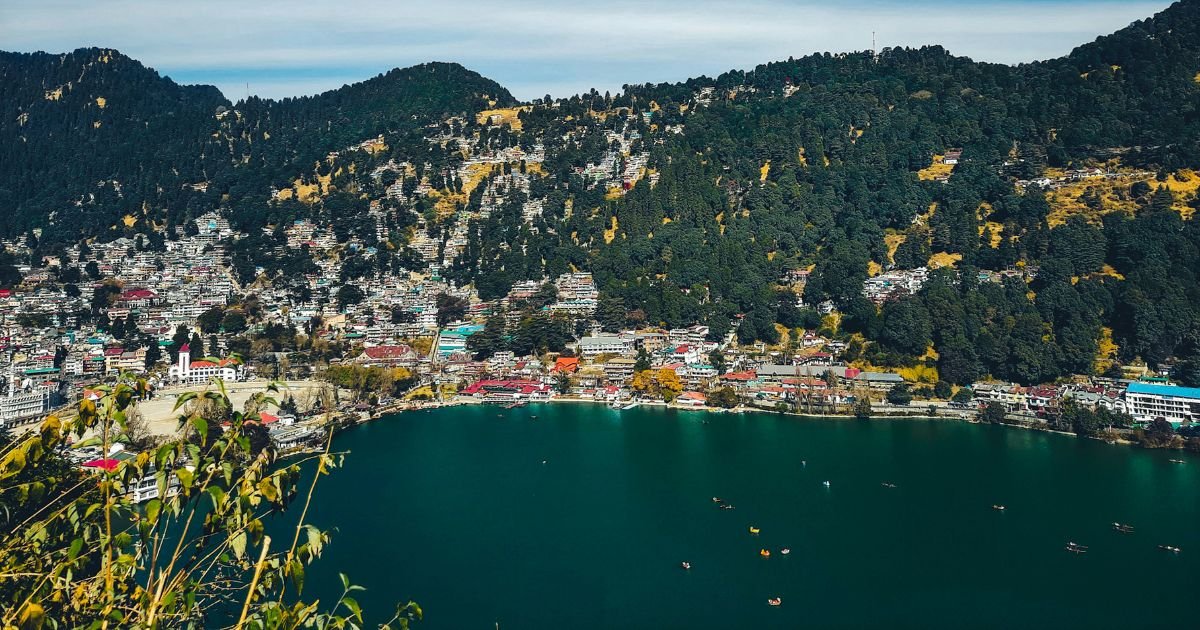
Nainital is one of the most popular hill stations in Uttarakhand, and June and July bring a calm and refreshing atmosphere to the town. The beautiful Naini Lake lies at the centre, surrounded by seven hills. During the monsoon season, the forests turn a rich shade of green, while soft clouds move slowly across the hills near Tiffin Top. A peaceful morning walk beside the lake often feels relaxing and refreshing.
Known as the Lake District of India, Nainital stands at an altitude of 2,084 metres in the Kumaon Himalayas. The town still reflects its colonial past through places like the Gothic-style St. John in the Wilderness church, the old British-era estates above Mall Road, and the unique shape of the lakefront. This blend of natural beauty and history gives Nainital a charm that feels more special than a modern hill resort.
Best Attractions
- Naini Lake (boating and yachting)
- Snow View Point (accessible by ropeway, with views of Nanda Devi and Trishul on clear days)
- Tiffin Top (a steady 1.5km hike with panoramic valley views)
- Naina Devi Temple on the north shore of the lake
- High Altitude Zoo which is home to snow leopards and Himalayan black bears.
Temperature in June-July
14°C to 22°C. Evenings can be cool enough for a light jacket.
Activities
- Boating on Naini Lake
- Visiting Bhimtal and Sattal lakes nearby
- The Nainital Betalghat Trek through oak and rhododendron forest
- Horse riding along Mall Road
Practical Notes
Kathgodam is the nearest railway station, located 34 km away, with direct trains like Shatabdi and Jan Shatabdi connecting Delhi. Pantnagar Airport is around 70 km away. The town becomes crowded during peak season, especially on weekends, so visiting in the middle of the week offers a more comfortable experience.
READ ALSO: I Spent 3D/2N in Nainital in Just Rs. 3000 | Complete Travel Guide
2. Mussoorie
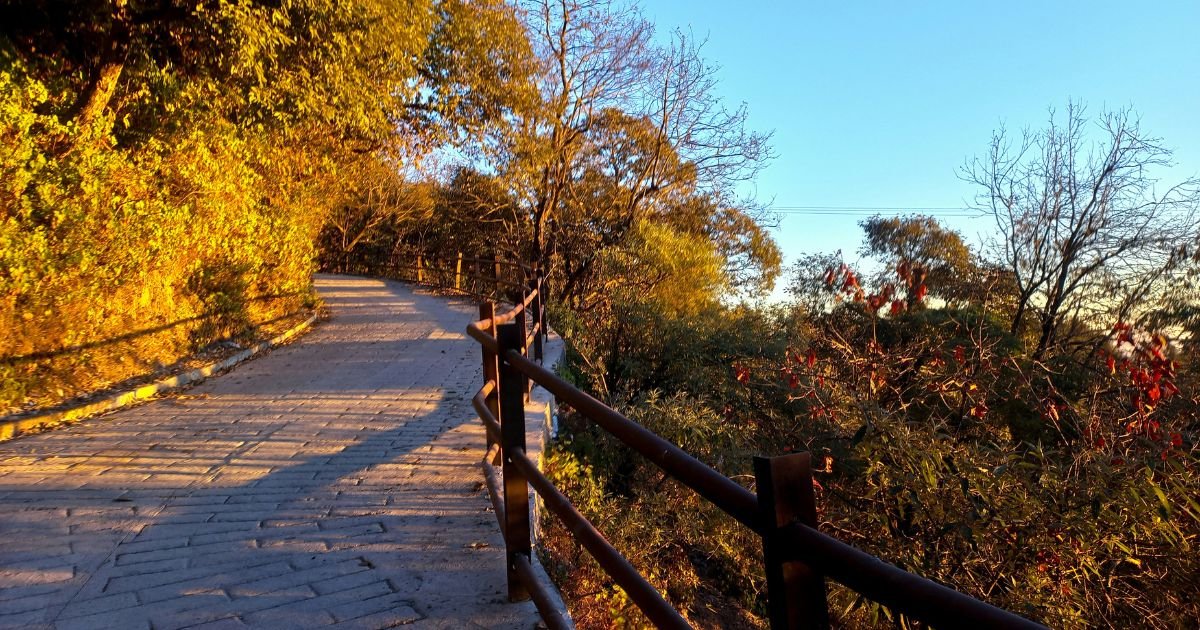
Mussoorie is known as the Queen of the Hills because of its beautiful natural setting. Located at an altitude of 2,005 metres in the Garhwal hills, the town offers stunning views of the Doon Valley on one side and the Himalayan ranges on the other. On a clear June morning, before the mist covers the hills, visitors at Lal Tibba, the highest point in Mussoorie, can enjoy views of the Badrinath, Kedarnath, and Gangotri peaks together.
The town became a popular summer retreat after the British settled here in 1825. Even today, Mussoorie’s Mall Road, old Victorian-style buildings, and calm atmosphere reflect that colonial charm. These attractions continue to be highlights of every well-planned Mussoorie Itinerary, attracting travellers who want to experience both natural beauty and heritage charm.
Famous author Ruskin Bond has lived in Mussoorie for many years and still visits local bookshops. Visitors may even spot him at the Cambridge Book Depot.
Best Attractions
- Lal Tibba (sunrise and sunset views, binoculars available for hire)
- Kempty Falls (a 40-metre cascade on the Mussoorie-Dehradun road, popular for swimming)
- Gun Hill (second-highest point, reached by a short cable car)
- Camel’s Back Road (a 3km promenade named for a rock formation)
- Cloud’s End (the western tip of the ridge, surrounded by dense forest and ideal for quiet walks)
Temperature in June-July
Temperatures usually stay between 20°C and 28°C. The monsoon season brings regular afternoon rain, so make sure to pack suitable clothes and rain gear.
Activities
- Trekking to Nag Tibba base (a day trip from Mussoorie)
- Paragliding at Dhanaulti nearby,
- Mall Road shopping for local woolens and Maggi
- Nature walks through Cloud’s End forest
Practical Notes
Jolly Grant Airport in Dehradun sits about 60 km away. Dehradun Railway Station is the nearest railway station. Mussoorie is nearly 35 km away by road and the drive usually takes around one hour. Shared taxis run regularly between Dehradun and Mussoorie.
3. Rishikesh
Rishikesh is not a typical hill station. It sits in the foothills at an altitude of around 356 metres, where the Ganges leaves the mountains and enters the plains. It is also the gateway to the high Himalayas and one of the most visited destinations in Uttarakhand for many good reasons.
The town offers something special for almost every traveller, including adventure activities, spirituality, yoga, white-water rafting, and a peaceful riverside atmosphere that is hard to experience anywhere else.
During June and July, the Ganges becomes strong and fast due to melting snow and early monsoon rain. River rafting becomes more thrilling during this time, with some stretches reaching Grade III and IV levels. Experienced rafters enjoy this season the most, while beginners should choose licensed operators that provide proper safety instructions and equipment.
Best Attractions
- Lakshman Jhula (the iconic iron suspension bridge, though it was closed for renovation – check current access status)
- Ram Jhula
- The Beatles Ashram at Chaurasi Kutia (a fascinating graffiti-covered ruin in a forest clearing)
- Neelkanth Mahadev Temple (a 12km drive into the hills)
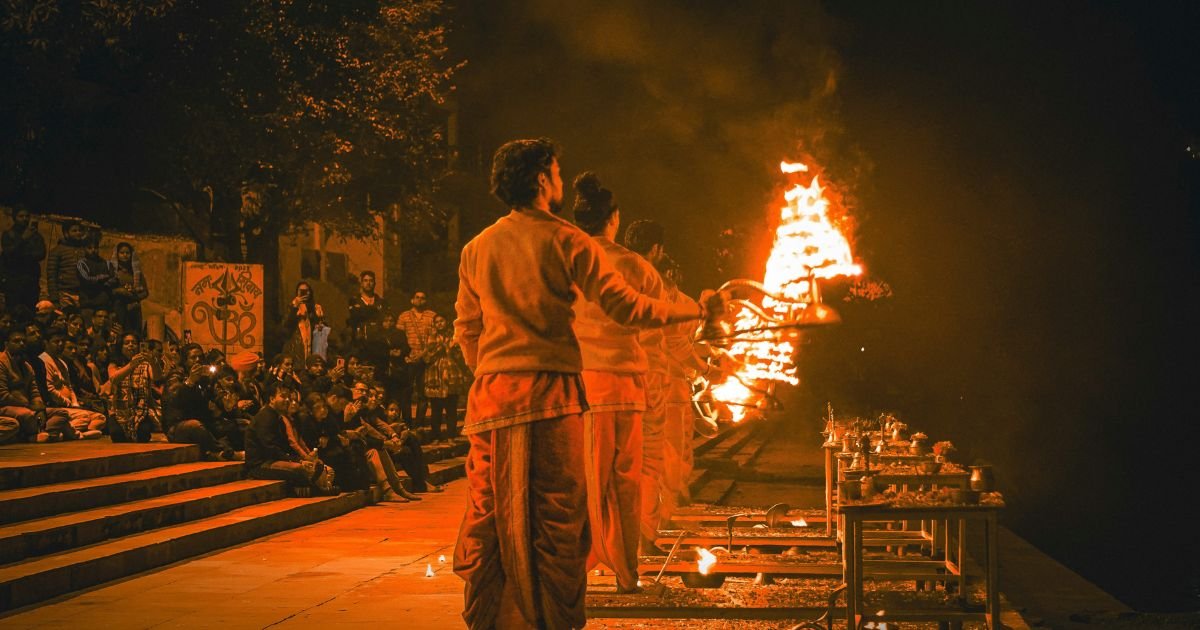
- Triveni Ghat for the evening Ganga Aarti
Temperature in June-July
28°C to 34°C during the day, cooling to around 22°C at night. Humidity rises in July.
Activities
- River rafting (Grade II–IV depending on section and season)
- Yoga and Meditation at ashrams like Parmarth Niketan
- Bungee jumping at Mohanchatti (83 metres, one of India’s highest)
- Camping on the riverbank
- Ganga Aarti at Har Ki Pauri Haridwar (30km away, easily combined)
Practical Notes
Jolly Grant Airport in Dehradun sits 35 km away. Rishikesh also has a railway station with good train connections to Delhi and many major cities. Several bus services operate through Delhi’s ISBT Kashmere Gate, making road travel easy and convenient.
READ ALSO: 10 Best Vegetarian Restaurants in Rishikesh That Foodies Will Love
4. Haridwar
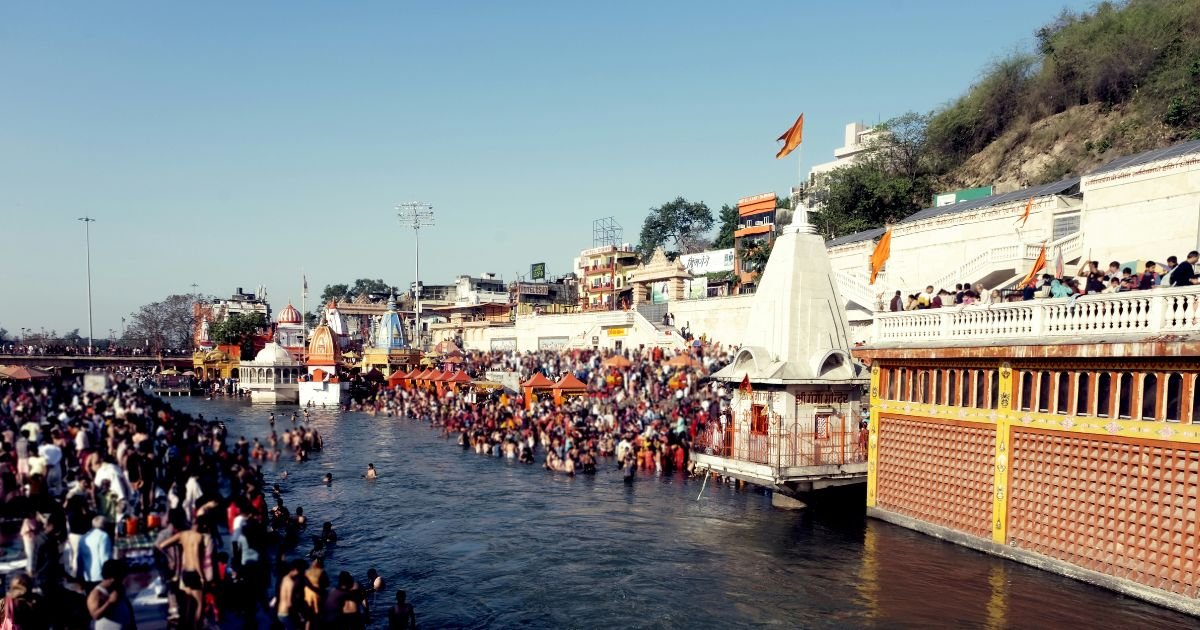
Haridwar holds a special place in India’s spiritual landscape. It is the point where the sacred Ganges River leaves the Himalayan foothills and enters the vast plains. Ancient Hindu scriptures consider this transition highly sacred. As one of the seven holiest cities in Hinduism, Haridwar carries a deep spiritual atmosphere that leaves a lasting impression on both pilgrims and first-time visitors.
The Ganga Aarti at Har Ki Pauri, held every evening at sunset, is an experience that is difficult to capture in words. Hundreds of priests light traditional oil lamps together while the sounds of conch shells and temple bells fill the air. The entire ghat shines with a warm golden glow as devotees place lamps on the river and watch them drift along the current.
Arriving about 30 minutes early is a good idea to secure a comfortable viewing spot on the ghat steps.
Best Attractions
- Har Ki Pauri (the most sacred ghat, where the Aarti takes place)
- Mansa Devi Temple (accessible by ropeway from Birla Ghat, with views across the city)
- Chandi Devi Temple on Neel Parvat
- Daksha Mahadev Temple
- Rajaji National Park on the outskirts of the city
Temperature in June-July
30°C to 36°C. Warm and humid weather, especially in July. It is best to visit temples early in the morning to stay comfortable and avoid the daytime heat.
Activities
- Ganga Aarti at sunset
- Ritual bathing at Har Ki Pauri
- Ropeway rides to Mansa Devi and Chandi Devi temples
- Rajaji National Park jeep safaris (elephant and tiger sightings are possible)
- Shopping at Bara Bazaar for Ayurvedic products, dry fruit, and religious items
Practical Notes
Haridwar has a major railway station with strong rail connections to Delhi (around 4.5 hours by express train), Mumbai, and Kolkata. Jolly Grant Airport is located about 35 km away. Regular buses to Haridwar are available through ISBT Kashmere Gate in Delhi, with a travel time of about 5 to 6 hours.
READ ALSO: 11 Best-Rated Hotels in Haridwar Near Har Ki Pauri for Pilgrims
5. Kedarnath
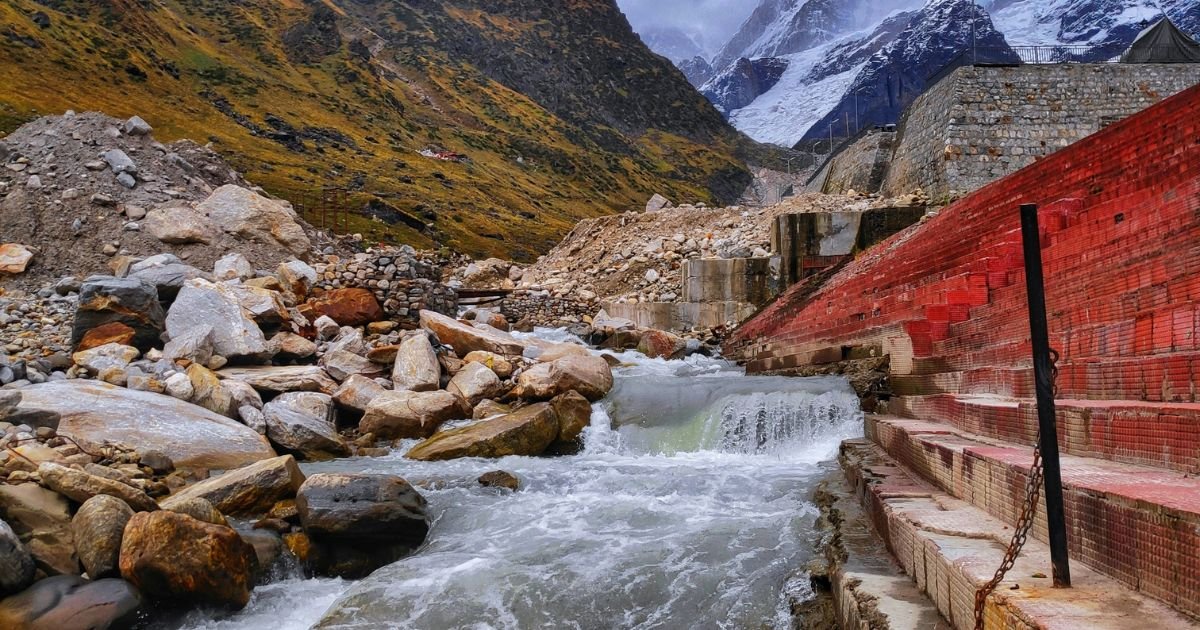
Kedarnath is one of the most important pilgrimage sites in India and an important part of the Char Dham Yatra in Uttarakhand. The ancient temple is dedicated to Lord Shiva and is believed to be more than a thousand years old. It stands at an altitude of 3,583 metres near the origin of the Mandakini River. The area around the temple features towering granite mountains, glacial landscapes, and beautiful alpine meadows, creating one of the most breathtaking views in the Himalayas.
The temple opens every year in May and closes after Diwali. June and July are the busiest months for pilgrims, leading to heavy crowds on the trekking route. During this period, facilities such as rest houses, medical centres, and porter services remain fully available.
The 16 km trek between Gaurikund and Kedarnath involves an elevation gain of about 1,400 metres. Physically fit visitors can usually complete the journey in 6 to 8 hours, while pony rides and dolis (palanquins) are available for those who need assistance. Helicopter services operating at Phata, Guptkashi, and Sirsi reduce travel time to less than 10 minutes.
Important: Mandatory Registration.
Every pilgrim must complete online registration through the official Uttarakhand Char Dham Devasthanam Management Board portal before the journey. Registration on arrival is generally not allowed during the peak pilgrimage season. It is advisable to reserve your slot well in advance, as preferred travel dates often reach full capacity several weeks before the visit.
Best Attractions
- Kedarnath Temple (one of the 12 Jyotirlingas)
- Shankaracharya Samadhi just behind the temple
- Bhairavnath Temple above the main shrine
- Vasuki Tal (a 6km trek from the temple offering views of Chaukhamba peak)
- Gauri Kund hot springs at the base of the trek
Temperature in June-July
5°C to 16°C. Nights drop to near freezing. Carry proper layered warm clothing even if you are visiting in June. Rain is frequent – a good waterproof jacket is essential.
Monsoon Warning
The Kedarnath route is among the most landslide-prone areas in Uttarakhand during July. Travellers should regularly check updates issued by the NDRF and the state disaster management authorities before starting the journey. In 2013, a devastating cloudburst caused widespread destruction across the valley. Although authorities now closely monitor weather conditions, the risk of flash floods and landslides still remains.
Practical Notes
Gaurikund serves as the starting point for the Kedarnath trek and is well connected by road to Rishikesh and Haridwar. The nearest railway station is in Rishikesh, making it a convenient option for train travellers. For those arriving by air, Jolly Grant Airport in Dehradun is the closest airport and is situated approximately 230 km from Gaurikund.
READ ALSO: Kedarnath Itinerary: Route, Cost, Best Time to Visit, and Complete Travel Guide
6. Valley of Flowers
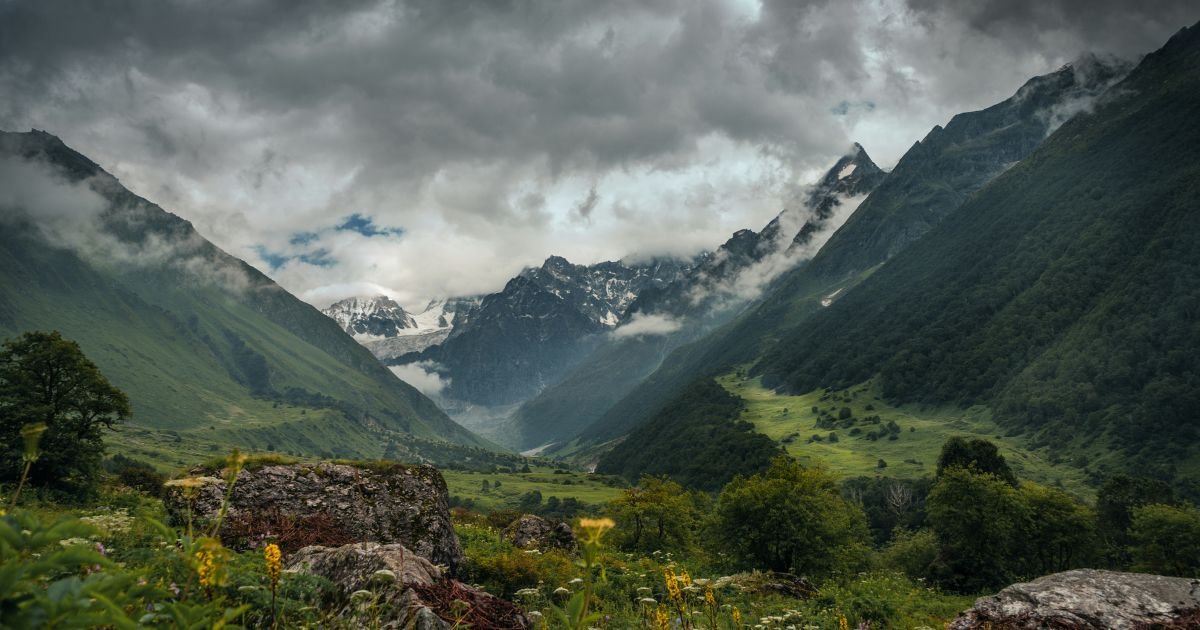
The Valley of Flowers is a UNESCO World Heritage Site and one of the most beautiful places in India during its short visiting season. Located in Chamoli district at an altitude of about 3,658 metres, this high-altitude valley comes alive with hundreds of alpine wildflowers after the monsoon.
Visitors can see irises, primulas, marsh marigolds, Himalayan blue poppies, brahmakamal, and many other flower species. The scenery changes throughout the season as different flowers bloom at different times, so a visit in late June offers a different experience than a visit in late July.
Season and Permits: The national park remains open between mid-June and mid-October. Visitors need an entry permit, which is available at the Forest Department office in Ghangaria, the last settlement before the valley.
The entry fee for Indian citizens is around Rs 150 per person per day. The Valley of Flowers is located about 3 km away from Ghangaria and can be reached on foot. Ghangaria itself is connected to Govindghat through a 14 km trek, and Govindghat is the last point accessible by road.
Best Attractions
- The Valley of Flowers National Park itself
- Hemkund Sahib (a sacred Sikh shrine at 4,329 metres, a separate 6km trek from Ghangaria – one of the highest gurudwaras in the world)
- Nanda Devi National Park (adjacent, offering views of India’s second-highest peak)
Temperature in June-July
Daytime temperatures usually range between 7°C and 15°C, while nighttime temperatures can drop to 2°C to 5°C. Carry warm clothes, rain protection, and sturdy trekking shoes. Leeches are common along the trail during the monsoon season, so it is advisable to carry salt or a suitable repellent.
Practical Notes
Jolly Grant Airport is the nearest airport, while Rishikesh is the nearest major railway station. Govindghat is located about 270 km away by road from Rishikesh, and the journey usually takes 8 to 9 hours. The route passes through Joshimath, which also serves as the gateway to Auli.
7. Auli
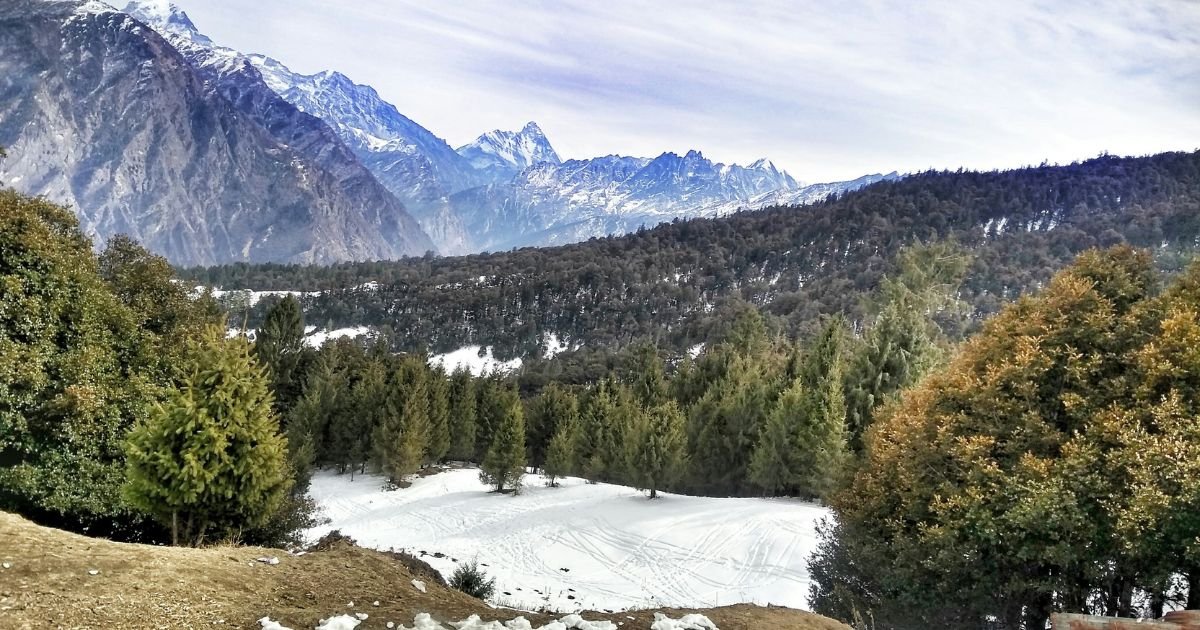
Auli is widely known as a popular ski destination. Its slopes have hosted the National Winter Games and receive good snowfall between December and March. However, Auli in June and July offers a completely different experience that many travelers miss. Located at an altitude of 2,519 metres in the Garhwal Himalayas, the snow-covered slopes turn into beautiful green meadows with clear views of Nanda Devi (7,816m), Mana Parvat, Trishul, and Dronagiri peaks. On a clear morning, the scenery at Gorson Bugyal, which is about 3 km away, is truly stunning.
The famous Auli Ropeway, stretching nearly 4 km, is one of the longest cable car systems in Asia. It continues to operate during the summer season and offers a convenient way to reach the scenic meadows above Joshimath without a long hike.
Best Attractions
- Gurso Bugyal meadow (a short and rewarding trek through pine and oak forest)
- Auli Artificial Lake (a man-made reservoir at 2,540 metres built for snow-making, with striking mountain reflections)
- Chattrakund lake in the forest below the main slopes
- The ropeway ride itself
Temperature in June-July
10°C to 20°C during the day, 4°C to 8°C at night. Carry warm layers for evenings.
Activities
- Gorson Bugyal and Kwani Bugyal treks (June-July is the prime wildflower season for both)
- Ropeway ride
- Camping in the meadows
- Kuari Pass trek (a 4-day trek through high-altitude terrain above 3,600 metres – one of the finest moderate treks in Garhwal)
- Photography
Practical Notes
Joshimath serves as the base town for Auli and is located 13 km away. Jolly Grant Airport, near Dehradun, is about 286 km away. The nearest railway station is Rishikesh, situated approximately 256 km by road. Regular state-run bus services connect Haridwar and Rishikesh with Joshimath, making travel convenient for visitors.
READ ASLO: Auli Itinerary for 3 Days
8. Kausani
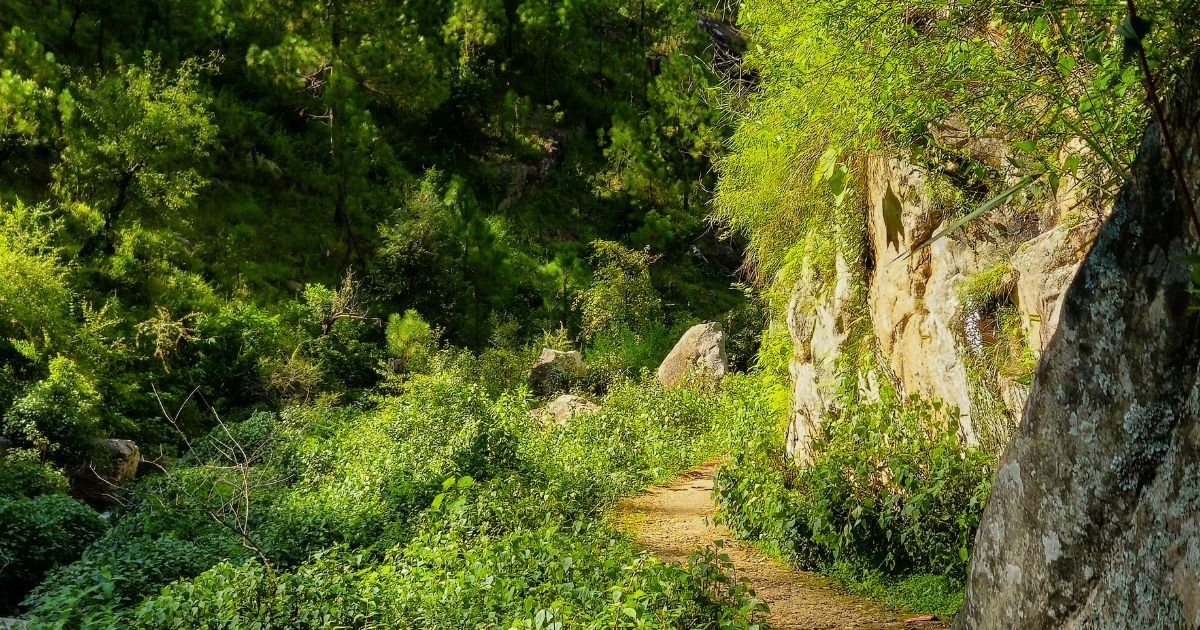
Kausani is closely linked with Mahatma Gandhi, who spent two weeks here in 1929 and described it as the Switzerland of India. The comparison is famous, though Kausani has a unique Kumaoni identity and charm of its own. The viewpoint that impressed Gandhi still attracts visitors today.
On a clear morning, travelers can enjoy breathtaking views of Himalayan peaks such as Trisul (7,120 m), Nanda Devi (7,816 m), Nanda Kot, and the five summits of Panchachuli. It offers one of the widest and most uninterrupted Himalayan panoramas that can be reached by road in India.
Located at an altitude of 1,890 metres in Bageshwar district, Kausani remains far less crowded than popular hill stations like Nainital and Mussoorie. Life moves at a relaxed pace, local markets are small and welcoming, and the walking trails are generally peaceful. The Kausani Tea Estate, among the highest tea gardens in India, is known for producing a distinctive small-leaf tea that makes an excellent souvenir.
Best Attractions
- Anasakti Ashram (where Gandhi stayed, now a museum with his writings on Anasakti Yoga)
- Kausani Tea Estate (guided tours available in the morning)
- Rudradhari Falls and Caves (a 2.5km trek through terraced fields and pine forest)
- Baijnath Temple cluster (12th-century temples, 17km away)
- Sumitranandan Pant Gallery
Temperature in June-July
15°C to 25°C. Cool evenings and occasional rain. The tea estate is particularly beautiful in the monsoon mist.
Activities
- Pinnath trek (a 10km trail through dense forest to a high meadow)
- Stargazing from the ridge on clear nights
- Tea estate tours
- Photography of the sunrise panorama
- Visiting Baijnath temple complex
Practical Notes
Kathgodam Railway Station is about 142km away. Pantnagar Airport is 178km away. From Kathgodam, taxis run to Kausani via Almora (3.5–4 hours). Buses are available from Almora and Ranikhet.
9. Dehradun
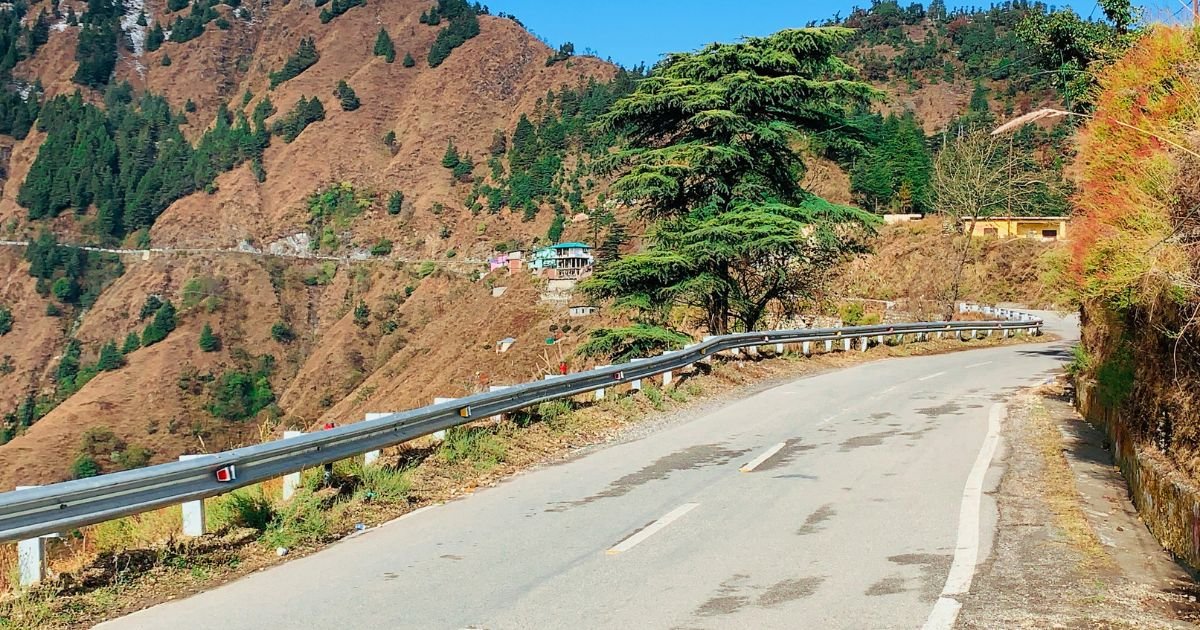
Dehradun is the capital of Uttarakhand and the main gateway for many travellers visiting the state. However, the city is also worth exploring on its own. It is not a hill station, as it lies in the Doon Valley at an elevation of 640 metres, and temperatures in June can rise to 35°C.
Even so, Dehradun offers a unique charm, excellent food, and several interesting places to visit nearby.
The Forest Research Institute is one of the city’s most impressive landmarks. Built in 1929, this grand Indo-Gothic building is surrounded by 450 acres of forests and botanical gardens. Another popular attraction is Robber’s Cave in Anwakheda, a fascinating natural formation. A narrow gorge shaped by an underground stream allows visitors to walk through cool, knee-deep water, making it a refreshing experience during the summer months.
Best Attractions
- Forest Research Institute (the building, its museum, and the gardens)
- Robber’s Cave (Gucchupani)
- Sahastradhara sulphur springs
- Mindrolling Monastery (one of the largest Buddhist monasteries in India, with a 35-metre Buddha statue)
- Tapkeshwar Shiva Temple on the banks of the Tons River
Temperature in June-July
26°C to 35°C. Warmer than most hill stations, Dehradun is best suited as a base for nearby day trips or a convenient stopover, rather than a place for an extended stay during the peak summer season.
Activities
- Day trip to Mussoorie (35km)
- Robber’s Cave swimming
- Forest Research Institute campus walk
- Tibetan market and Paltan Bazaar shopping
- Paragliding at Sahastradhara
Practical Notes
Jolly Grant Airport is located 31 km away from the city centre. Dehradun Railway Station has good rail connections with Delhi (around 5.5 hours by Shatabdi Express), Mumbai, and Kolkata. Regular buses also operate between Delhi and the ISBT, making travel to the city easy and convenient.
READ ALSO: Top 11 Famous Restaurants in Dehradun You Can’t Miss
10. Lansdowne
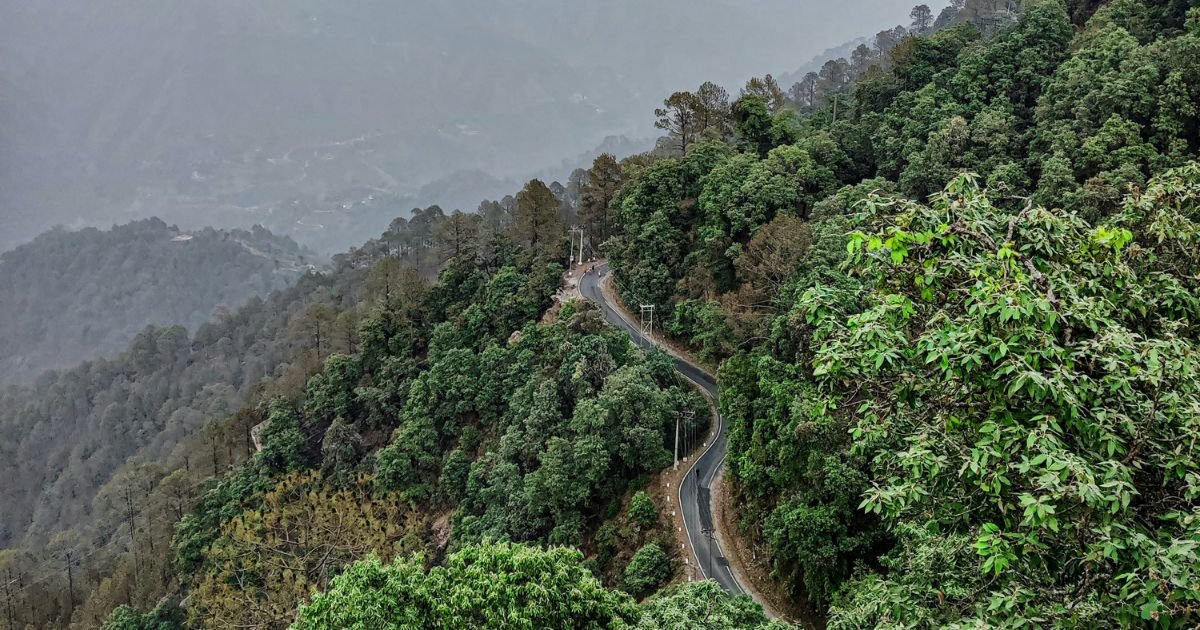
Lansdowne is one of the quietest hill stations in Uttarakhand, and that is part of its charm. Established in 1887 as a British military cantonment and named after Viceroy Lord Lansdowne, the town still serves as a garrison and is home to the Garhwal Rifles regiment. The military presence helps maintain clean roads, protects the surrounding forests, and keeps large-scale tourism growth under control.
Located at an altitude of 1,706 metres in the Pauri Garhwal district, Lansdowne is surrounded by pine and oak forests. The town has no cable cars, crowded viewpoints, or noisy markets. Instead, visitors can enjoy peaceful walking trails, beautiful Himalayan views on clear days, and a refreshing break from the fast pace of everyday life.
Best Attractions
- Tip-in-Top viewpoint (the best panoramic viewpoint in town, a short drive or walk from the main bazaar)
- Bhulla Tal lake (a man-made lake perfect for boating and afternoon walks)
- St. Mary’s Church (a well-preserved British-era church with original stained glass)
- Darwan Singh Regimental Museum (a thoughtful museum about the Garhwal Rifles regiment’s history)
- Tarkeshwar Mahadev Temple (18km away, in deep deodar forest
Temperature in June-July
15°C to 25°C. One of the more pleasant summer climates in Uttarakhand – cool, green, and lightly rainy.
Activities
- Forest walks through pine and oak
- Birdwatching (this area is particularly good for Himalayan birds in summer)
- Tarkeshwar Mahadev Temple visit
- Boating at Bhulla Tal
- Photography of the colonial architecture
Practical Notes
Kotdwar Railway Station is 40km away, connected to Delhi by the Kotdwar-Delhi trains. Jolly Grant Airport is 150km away. Delhi to Lansdowne is about 250km by road (5–6 hours).
11. Nag Tibba
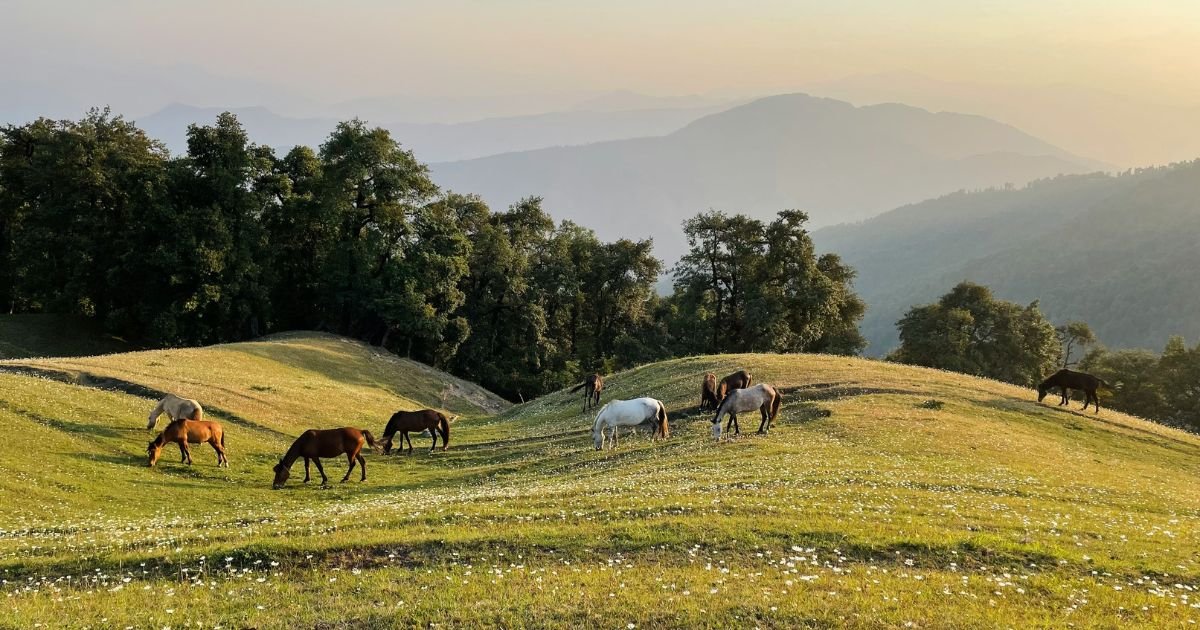
Nag Tibba, also known as Serpent’s Peak, is the highest point in the lower Himalayan range of the Garhwal region, standing at 3,022 metres. It is one of the most accessible high-altitude treks in Uttarakhand. The trek starts at Pantwari village, located about 90 km from Dehradun and easily reachable by road. The popular two-day trek is ideal for beginners with a reasonable level of fitness.
On a clear day, the summit offers stunning views of the Bandarpoonch, Swargarohini, Gangotri, and Kedarnath mountain ranges.
June and July give the trail a special charm. The rhododendron season comes to an end, but the oak forests become thicker and greener than ever. The meadows near the summit turn a vibrant shade of green, creating beautiful scenery along the route.
The campsite at 2,800 metres also offers some of the clearest night skies you can experience within a few hours’ drive of Delhi.
Best Attractions
- The Nag Tibba summit itself (3,022m) with 180-degree Himalayan panorama
- Nag Devta Temple on the trail (a small but important local shrine)
- The oak and rhododendron forest en route
- The campsite meadow for nighttime stargazing
Temperature in June-July
4°C to 18°C during the day, dropping to 0°C–4°C at the summit camp at night. Carry warm sleeping gear even in June.
Activities
- Summit trek (5–6 hours ascent)
- Camping at the summit meadow
- Photography
- Birdwatching in the forest (this area has rich Himalayan avifauna)
- Combined weekend trip with Mussoorie (50km from Pantwari)
Practical Notes
Pantwari village is the trek base, about 90km from Dehradun by road (roughly 2.5 hours). Jolly Grant Airport is 120km from Pantwari. The standard trek is two days, one night at the summit camp. The trail is 16km round trip.
Monsoon Travel Tips for Uttarakhand
June and July bring the monsoon season to Uttarakhand, and rainfall in the Himalayas is very different compared to the plains. It is important to plan your trip carefully during this time.
Roads in high-altitude areas, especially routes leading to Kedarnath, Badrinath, and the Valley of Flowers, can be affected by landslides. Highway 58, which connects Rishikesh and Badrinath, along with roads passing through Rudraprayag district, often face temporary closures during periods of heavy rain.
Before starting your journey, check updates shared by the Uttarakhand Disaster Management Authority and the state highway department for the latest road conditions.
Trekking routes above 3,000 metres can become wet and slippery during the monsoon. Waterproof trekking shoes, a walking pole, and reliable rain gear are essential items for a safe and comfortable trek.
One of the biggest advantages of visiting Uttarakhand during the monsoon is the smaller tourist crowds. The hills look fresh and green, temperatures remain pleasant, and alpine meadows bloom with colourful flowers. Many of the best Places to Visit in Uttarakhand in June-July, including the Valley of Flowers, are at their most beautiful during this season.
Travellers who are comfortable with flexible travel plans often find June and July among the most rewarding months to explore Uttarakhand.
