
TL;DR:
The Maa Nanda Devi Badi Jaat Yatra 2026 is a rare twelve-year Himalayan pilgrimage that began at Nanda Devi Temple Kurud on September 5, walking nearly three hundred kilometres across the Garhwal hills. This guide covers the complete day-wise route, every village halt, the temple’s history, travel fares out of Rishikesh, packing tips, and the key rituals happening along the way toward Homkund.
High in the Garhwal Himalayas, a goddess is beginning her long journey home once again, and this time, you can witness this incredible pilgrimage yourself. The Maa Nanda Devi Badi Jaat Yatra has already begun its journey, and villages across its 280-kilometre route are filled with the sound of drums, palanquins, prayers, and deep devotion.
If stories of sacred pilgrimages give you goosebumps, or a true Himalayan journey feels like an experience you would regret missing, stay with this guide. It covers everything you need to know, including the route, dates, temples, travel costs, and many small details that most guides often leave out.
What Makes the Badi Jaat Yatra So Special
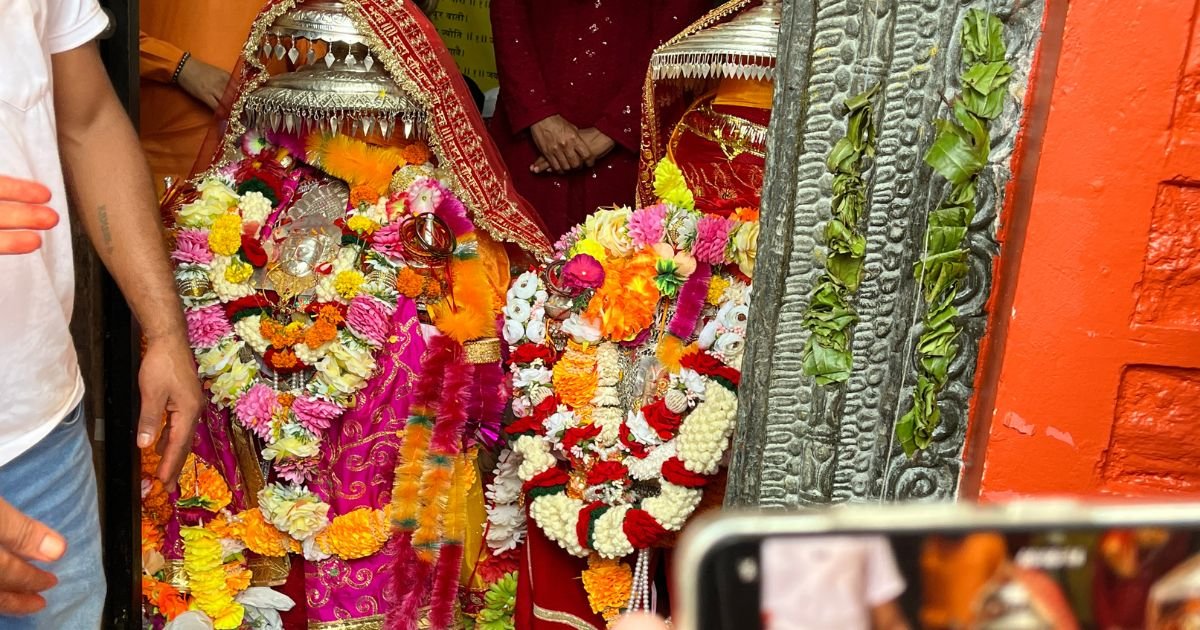
Nanda Devi is not treated as a distant deity in this part of Uttarakhand. People lovingly regard her as the daughter of the mountains, who was married away and returns to visit her parents’ home. This emotional connection lies at the heart of the Maa Nanda Devi Badi Jaat Yatra.
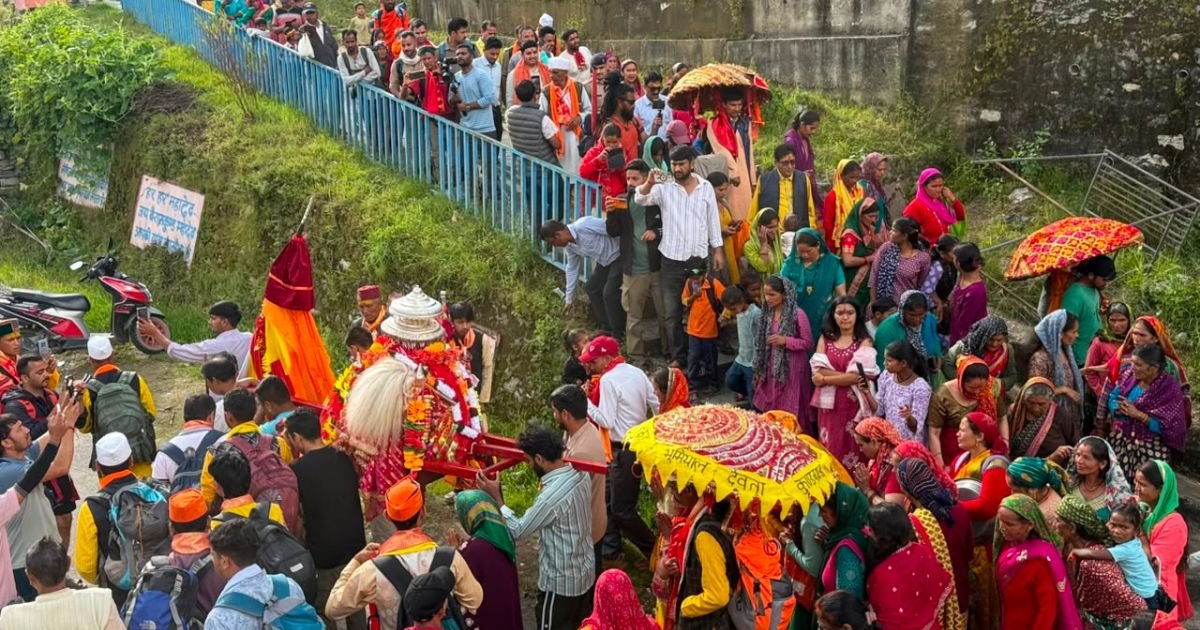
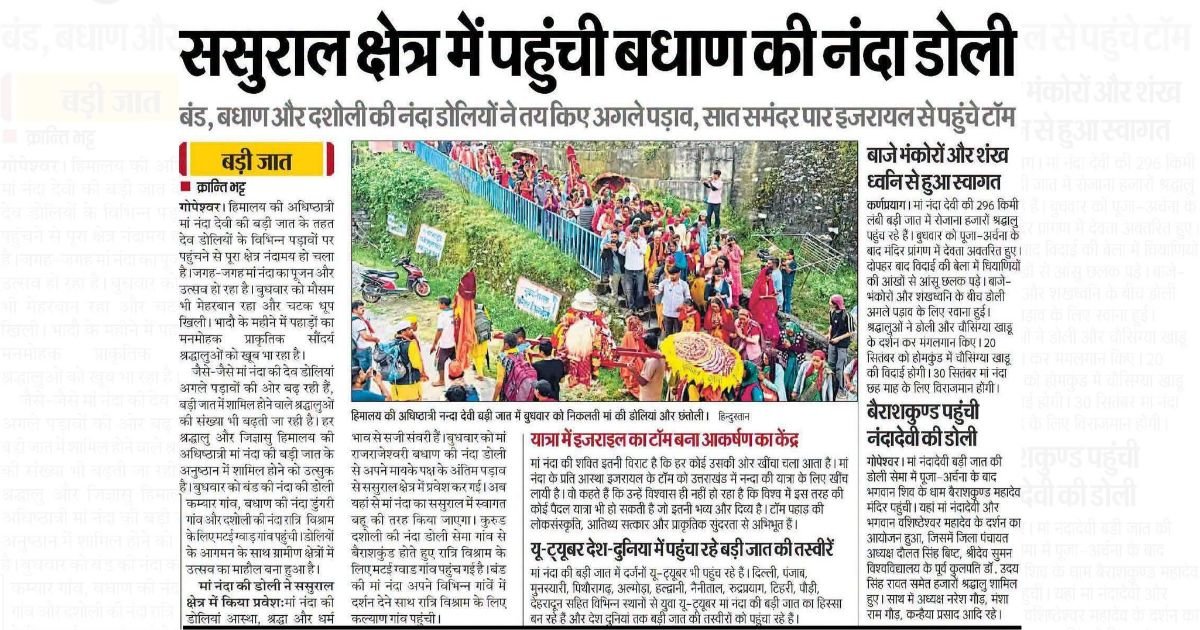
Every twelve years, her doli, or palanquin, is carried on foot through dozens of villages, high-altitude meadows, difficult mountain trails, and river crossings. Drummers, priests, devotees, and thousands of pilgrims accompany the sacred journey throughout its long route.
A smaller version of the pilgrimage also takes place every year and is known locally as the Lok Jaat or Chhoti Jaat. However, the twelve-year pilgrimage, known as the Badi Jaat or Thulli Jaat, is the grand celebration that brings people out of their homes and onto the Himalayan trails.
People often call the Maa Nanda Devi Badi Jaat Yatra the Mahakumbh of Uttarakhand because of its immense religious and cultural importance and the large number of devotees who take part in the journey. It is also widely described as Asia’s longest walking religious pilgrimage, covering approximately 280 kilometres across the Garhwal Himalayas. According to sources tracking the event, the current edition is among the largest gatherings the region has witnessed in recent years, further strengthening its reputation as the Himalayan Mahakumbh.
Why This Year’s Programme Comes Out of Kurud
There has been some genuine confusion online about this pilgrimage, so it is important to explain it clearly. The major Raj Jat linked with Nauti and Kansuwa villages, which most people have known about for years, has been postponed until the following year.
Meanwhile, the Nanda Devi Badi Jaat Committee based in Kurud decided to continue with its own twelve-year pilgrimage programme this year. This is the pilgrimage that is currently taking place. Traditional right-holders connected with the Badan, Dasholi, Lata, and Band regions are also participating in this Kurud-led yatra.
So, if you have come across two different sets of dates while searching online, this is the reason: two committees, two separate schedules, and two different years. The pilgrimage currently underway began at Siddhpeeth Kurud on September 5.
The Sacred Start Point: Nanda Devi Temple Kurud
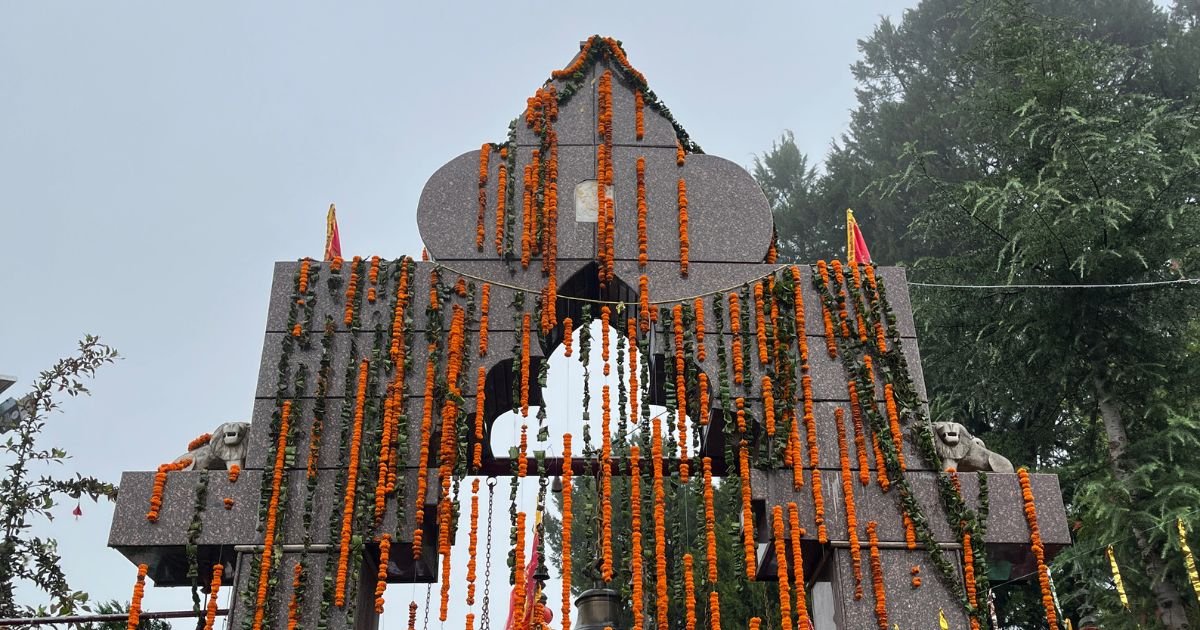
Every journey needs a beginning, and for the Badi Jaat, that beginning lies in the quiet Himalayan village of Kurud, in the Nandanagar area of Chamoli district. The Nanda Devi Temple Kurud, also known as Siddhpeeth Kurud, is an old shrine dedicated to Maa Nanda Devi. The temple is home to two dolis, one belonging to Dasoli Patti and the other to Badan Patti.
Both the annual Chhoti Jaat and the grand twelve-year Badi Jaat begin their journey at this sacred temple. Standing here on the morning the yatra sets off, as the drums begin to play and the doli is lifted onto the shoulders of devotees, gives visitors a powerful sense of the scale and devotion behind the journey, something photographs alone cannot truly capture.
Day-by-Day Route: Every Village on the Path

| Day | Date | Morning Halt / Start | Villages and Points Covered | Night Stay |
|---|---|---|---|---|
| 1 | 5 Sept | Siddhpeeth Kurud | Farewell procession at 4 PM, heading towards Dhargaon | Kumjug |
| 2 | 6 Sept | Kumjug | Kundbagad | Lunatara |
| 3 | 7 Sept | Lunatara | Kanda, Khunana, Lamsoda, Mansali, Chopadakot | Kandai |
| 4 | 8 Sept | Kandai | Khaltara, Motha, Chaka | Soma |
| 5 | 9 Sept | Soma | Bairashkund, Itmoli, Dhuwadkhet | Matai Gwad |
| 6 | 10 Sept | Matai Gwad | Danu Mandir | Pagna |
| 7 | 11 Sept | Pagna | Bhaunar, Charbang | Lwani |
| 8 | 12 Sept | Lwani | Sung Botakhal; local Jakh Devta and Badrinath chhantoli join near Band and Dasmadwar | Ramani |
| 9 | 13 Sept | Ramani | Kasmatoli, Ghuni, Padhergaon, Bura | Aala |
| 10 | 14 Sept | Aala | Jokhna, Sitel | Kanol |
| 11 | 15 Sept | Kanol | Latu Devta and all village deity dolis gather here | Baan |
| 12 | 16 Sept | Baan | Rankdhar | Gairoli Patal |
| 13 | 17 Sept | Gairoli Patal | Dholidhar | Bedni |
| 14 | 18 Sept | Bedni | Amukta Bharani and Nanda Saptami Puja held here | Patar Nachauniya |
| 15 | 19 Sept | Patar Nachauniya | Kelva Vinayak, Roopkund, Jyoragali, havan and prasad distribution | Shila Samud |
| 16 | 20 Sept | Shila Samud | Panchganga, Trishuli Badijaat, Homkund | Jamun Dhali |
| 17 | 21 Sept | Jamun Dhali | Taraha, Dhyosingh Dham | Sutol |
| 18 | 22 Sept | Sutol | Return journey begins | Farkhet |
| 19 | 23 Sept | Farkhet | Final return journey | Kurud |
How to Reach Kurud: The Complete Travel and Fare Guide
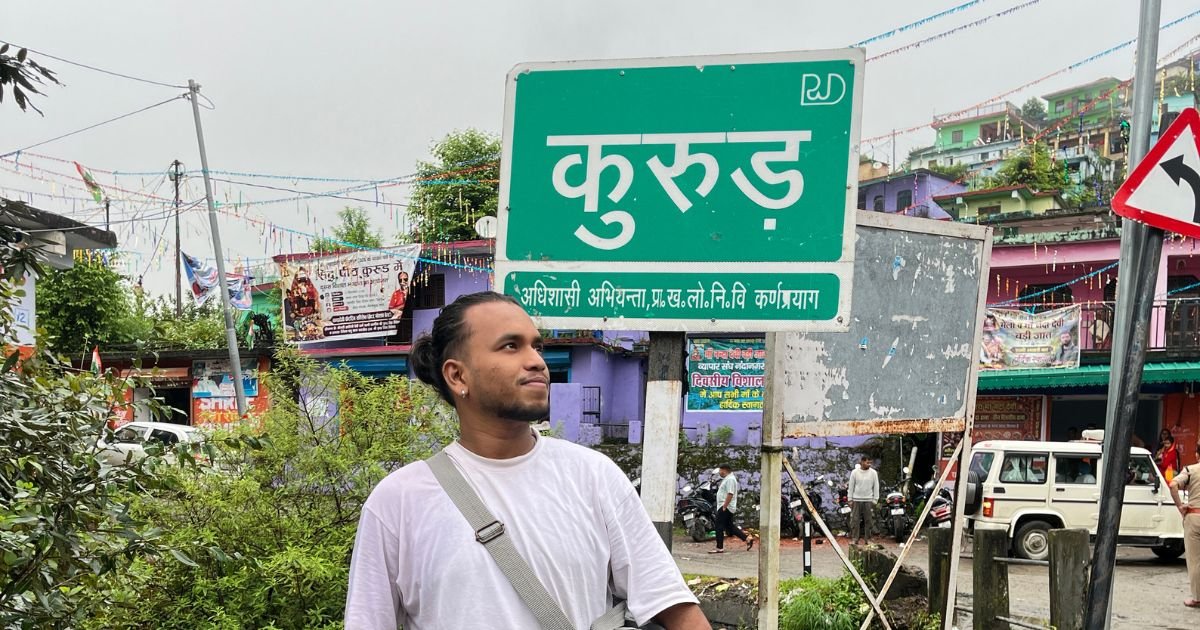
Reaching Kurud requires a little planning, as it is a small village located away from the main tourist routes. Most travellers start their journey at Haridwar or Rishikesh and continue in stages using buses and shared cabs. Here is an approximate fare breakdown based on rates reported by pilgrims and local travellers:
| Route Segment | Mode of Transport | Approximate Fare |
|---|---|---|
| Haridwar or Rishikesh to Rudraprayag | Bus | ₹200 |
| Rudraprayag to Karanprayag | Shared cab | ₹70 to ₹100 |
| Karanprayag to Nandaprayag | Shared cab | ₹100 |
| Nandaprayag to Ghat | Shared cab | ₹100 |
| Ghat to Kurud | Shared cab or local jeep | ₹70 |
The total one-way travel cost can come to around ₹540 to ₹600 per person when travelling to Kurud via Rishikesh. The actual fare may change based on the season, fuel prices, and the number of passengers sharing a vehicle. It is best to confirm the latest fares locally before starting the journey, as transport costs in the hill areas can change based on demand.
How to Join the Yatra Midway by Reaching Key Villages Quickly
Many devotees prefer to join the Maa Nanda Devi Badi Jaat Yatra after it begins at Kurud. Shared taxis and local jeeps make several important night-halt villages easy to reach, allowing you to join the procession at a convenient point.
1. Ramni
Ramni is one of the best options for joining the yatra midway. First, reach Nandaprayag by shared taxi. Then continue towards Nandanagar along the Ghat road. Local shared vehicles cover the remaining 20 to 30 kilometres in about one to two hours. Once you reach Ramni, you can wait for the doli to arrive around 12 September and then walk ahead with the yatra group.
2. Ban
Ban is another good joining point, especially because the major meeting with Latu Devta takes place here. Travel to Karnaprayag and take a shared jeep via Tharali and Dewal towards Lohajung. Ban is around 12 to 15 kilometres further ahead. The final part of the journey may require a short walk. Try to reach Ban a day early so you have enough time to rest before joining the gathering.
3. Gairoli Patal and Bedni
Gairoli Patal and Bedni are located at a higher altitude but can still be reached after Ban. Once you reach Ban using the route mentioned above, you can continue on foot with the yatra for the next day’s climb. There is no separate vehicle route beyond Ban, so be prepared to walk through these remote meadow areas with the main group.
4. Sutol
Sutol is a useful option for devotees who want to join the yatra during its return phase. Shared taxis are available between Ghat and the Nandanagar side. The village is located a short distance beyond Ghat along the same valley road. Local drivers are familiar with the location, especially during the yatra period.
For all these villages, you can follow the same basic travel approach used to reach Kurud. Start your journey at Rishikesh or Haridwar, travel by shared transport towards Rudraprayag, then continue to Karnaprayag or Nandaprayag. You can switch to local jeeps for the final part of the journey.
Fares are generally modest and similar to the rates mentioned earlier. Start early each morning so you can reach your chosen village before evening and settle down comfortably before the doli arrives.
Carry light luggage, warm clothes and enough drinking water. It is also a good idea to confirm the exact night-halt date with local residents or the organising committee after reaching the area. These midway access points allow you to experience the most important parts of the sacred journey without walking the entire route, while still becoming part of the devotion and tradition of the Maa Nanda Devi Badi Jaat Yatra.
Rituals and Moments Worth Timing Your Visit Around
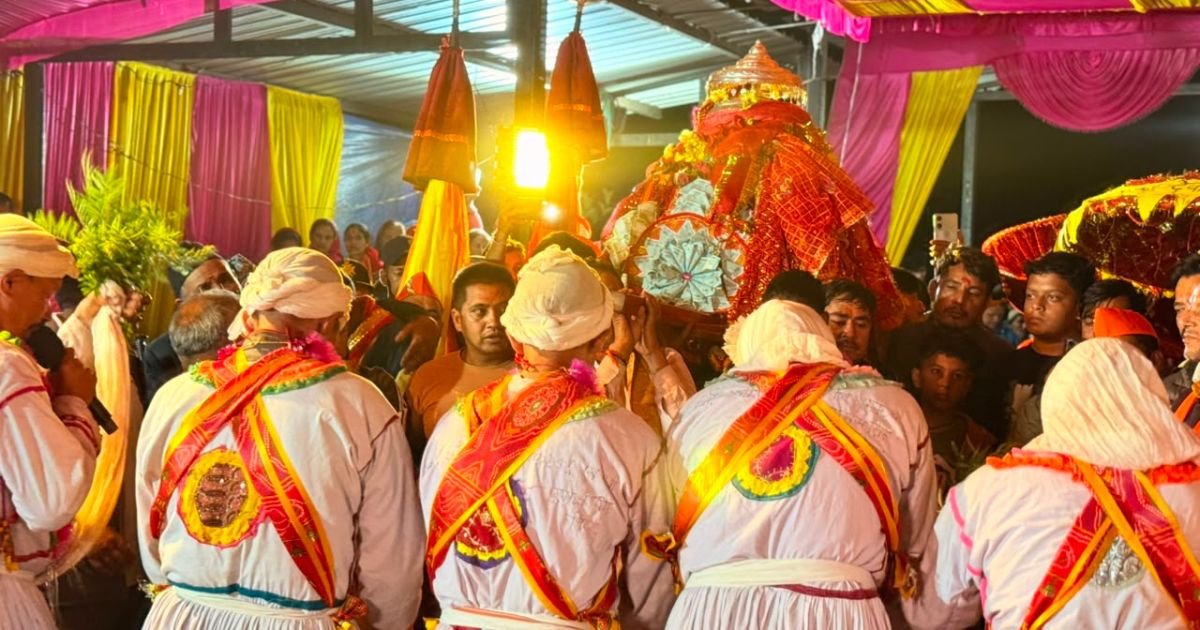
A few stops along this route hold special importance. At Bedni, visitors can witness the Amukta Bharani and Nanda Saptami puja, among the most photographed rituals of the entire journey. Kanol is where Latu Devta and the dolis of nearby village deities come together, creating a deeply moving moment for the local people. At Patar Nachauniya, a havan is performed and prasad is shared with everyone present. Near Roopkund, Homkund marks the symbolic farewell point of the goddess herself.
Final Word: Don’t Let This One Pass
Pilgrimages like this do not come around every year. The Maa Nanda Devi Badi Jaat Yatra takes place only once every twelve years, and the current yatra began at Nanda Devi Temple Kurud on September 5. It is now deep into its high-altitude journey, with villages preparing for the goddess’s arrival and departure.
Reading about this sacred journey later, after the doli has returned to Kurud, will not feel the same as following its route, dates, and story while it is still happening. Save this guide, share it with anyone planning a Himalayan trip this season, and if the trail calls you, answer it.
FAQ’s
1. When did the Maa Nanda Devi Badi Jaat Yatra 2026 begin?
The pilgrimage began at Siddhpeeth Kurud on September 5 and runs for nineteen days. It concludes on September 23 once the procession returns to Kurud.
2. Where does the Badi Jaat Yatra start and end?
It starts at Nanda Devi Temple Kurud in Chamoli district, moves toward Homkund near Roopkund, and returns back to Kurud to complete the full circuit.
3. Why is this pilgrimage called the Himalayan Mahakumbh?
Thousands of devotees, priests and trekkers out of dozens of villages walk together for nearly three weeks, making it one of Asia’s largest walking pilgrimages.
4. Where do devotees stay during the night halts?
Local villagers provide community halls, simple tents or open courtyards. Meals of rice, dal and greens appear with traditional hospitality and evening jagar songs at most stops.
5. Can first-time visitors join the ongoing yatra safely?
Yes, by following the published schedule, using shared taxis for the approach, packing properly and respecting local customs. Many join at intermediate villages after the start at Kurud.
